Hey there! As a supplier of temperature control units, I've seen firsthand how these nifty devices can have a big impact on the environment. In this blog, I'm gonna break down the ways our temperature control units affect the environment, both positively and negatively.
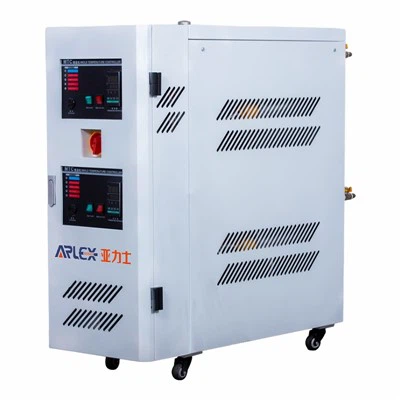
Let's start with the good stuff. One of the major environmental benefits of using a temperature control unit is energy efficiency. Our units are designed to maintain a consistent temperature with minimal energy consumption. For example, in industrial settings where precise temperature control is crucial, like in injection molding processes, our Mold Temperature Controller can significantly reduce energy waste. By accurately regulating the temperature, it prevents overheating and unnecessary energy usage. This not only saves money for our customers but also reduces the overall carbon footprint.
Another positive aspect is the reduction of waste. In many manufacturing processes, improper temperature control can lead to defective products. With our temperature control units, the risk of product defects is minimized. This means less material waste, as fewer products need to be scrapped. For instance, in the plastic injection molding industry, a stable temperature ensures that the plastic is molded correctly, resulting in high - quality products and less scrap material going to landfills.
Our Dual Temperature Mold Temperature Controller is a great example of a product that offers enhanced temperature control. It allows for different temperature zones, which is especially useful in complex molding operations. This precise control not only improves product quality but also further reduces energy consumption by only heating or cooling the necessary areas.
However, it's not all sunshine and rainbows. There are some negative environmental impacts associated with temperature control units as well. The production of these units requires raw materials, and the manufacturing process itself can generate pollution. Mining for metals and other components, as well as the energy used in the production facilities, contribute to environmental degradation.
Another concern is the refrigerant used in some temperature control units. Traditional refrigerants, like chlorofluorocarbons (CFCs) and hydrochlorofluorocarbons (HCFCs), are known to deplete the ozone layer and contribute to global warming. At our company, we're aware of this issue and are committed to using more environmentally friendly refrigerants. We're constantly researching and developing new technologies to reduce the environmental impact of our products.
The disposal of old or malfunctioning temperature control units also poses an environmental challenge. These units contain various components, some of which may be hazardous if not disposed of properly. We encourage our customers to recycle their old units through approved channels to minimize the environmental impact.
In addition to the direct environmental impacts, there are also indirect effects. For example, the transportation of our temperature control units from our manufacturing facilities to our customers' locations generates greenhouse gas emissions. We're working on optimizing our logistics to reduce these emissions, such as using more fuel - efficient vehicles and consolidating shipments.
Now, let's talk about how we can make our temperature control units even more environmentally friendly. One way is through the use of renewable energy sources. We're exploring the possibility of powering our units with solar or wind energy. This would not only reduce our reliance on fossil fuels but also make our products more sustainable in the long run.
Another approach is to improve the design of our units to make them more recyclable. By using materials that are easier to separate and reuse, we can reduce the amount of waste generated at the end of the product's life cycle.
We're also investing in research and development to improve the energy efficiency of our temperature control units. This includes developing more advanced control algorithms that can adjust the temperature more precisely based on real - time conditions, further reducing energy consumption.


So, if you're in the market for a temperature control unit, you're not just making a smart business decision but also an environmentally conscious one. Our products are designed to balance performance and environmental responsibility. Whether you need a Mold Temperature Controller for your injection molding process or a Dual Temperature Mold Temperature Controller for more complex applications, we've got you covered.
If you're interested in learning more about our temperature control units or want to discuss your specific needs, don't hesitate to reach out. We're here to help you find the best solution for your business while also doing our part for the environment.
References:
- Environmental Protection Agency (EPA) reports on energy efficiency and refrigerant management.
- Industry research on the impact of temperature control in manufacturing processes.