Hey there! As a hopper dryer supplier, I often get asked about the difference between single - stage and multi - stage hopper dryers. So, let's dive right in and break it down.
Single - Stage Hopper Dryers
First off, let's talk about single - stage hopper dryers. These are pretty straightforward. A single - stage hopper dryer is designed to perform the drying process in one go. It's like a one - stop shop for drying your materials.
The way it works is simple. The hopper is filled with the material that needs to be dried. Then, hot air is blown through the hopper. The hot air picks up the moisture from the material and carries it out of the hopper. This process continues until the material reaches the desired moisture level.
One of the biggest advantages of single - stage hopper dryers is their simplicity. They're easy to operate and maintain. You don't need a whole lot of technical knowledge to run one. If you're a small - scale operation or just starting out, a single - stage hopper dryer might be the perfect fit for you.
Another plus is the cost. Single - stage hopper dryers are generally more affordable than multi - stage ones. They require less equipment and less energy to operate, which means lower upfront and running costs.
However, single - stage hopper dryers do have their limitations. They might not be as effective for materials that require a very low moisture level. Since the drying process happens in one stage, it can be a bit difficult to achieve extremely dry conditions. Also, if you're dealing with a large volume of material, the drying time can be quite long.
Multi - Stage Hopper Dryers
Now, let's move on to multi - stage hopper dryers. These are a bit more complex but offer some great benefits.
A multi - stage hopper dryer divides the drying process into multiple stages. Each stage is designed to remove a certain amount of moisture from the material. This allows for a more precise and efficient drying process.
In the first stage, the material is pre - dried to remove the majority of the surface moisture. Then, in the subsequent stages, the material is further dried to reach the desired low moisture level. This step - by - step approach ensures that the material is dried thoroughly and evenly.
One of the main advantages of multi - stage hopper dryers is their ability to handle a wider range of materials. They can effectively dry materials that require a very low moisture content, such as engineering plastics. The multi - stage process allows for better control over the drying conditions, which is crucial for these types of materials.
Another benefit is the speed. Multi - stage hopper dryers can dry materials much faster than single - stage ones, especially when dealing with large volumes. This can significantly increase your production efficiency.
But, of course, there are also some drawbacks. Multi - stage hopper dryers are more expensive to purchase and operate. They require more equipment and more energy to run. Also, they're more complex to operate and maintain, so you might need to have some technical expertise on hand.
Comparison
Let's compare the two in a bit more detail.
Drying Efficiency: As I mentioned earlier, multi - stage hopper dryers are generally more efficient when it comes to drying materials. They can achieve lower moisture levels in a shorter amount of time. Single - stage hopper dryers, on the other hand, might take longer to dry materials, especially if you're aiming for a very low moisture content.
Cost: Single - stage hopper dryers are more budget - friendly. They have a lower upfront cost and lower running costs. Multi - stage hopper dryers, however, are more expensive to buy and operate. But if you're dealing with high - value materials or need to increase your production speed, the extra cost might be worth it.
Material Compatibility: Multi - stage hopper dryers are better suited for materials that require a very low moisture level. They can handle a wider range of materials, including engineering plastics. Single - stage hopper dryers are more suitable for materials that don't require extremely dry conditions.


Ease of Use: Single - stage hopper dryers are easier to operate and maintain. You don't need a lot of technical knowledge to run them. Multi - stage hopper dryers are more complex and might require some training to operate properly.
Our Offerings
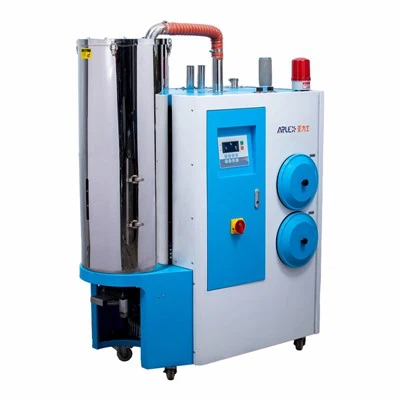
As a hopper dryer supplier, we offer both single - stage and multi - stage hopper dryers. If you're interested in learning more about our products, you can check out our Hopper Dryer page. We also have a Dehumidifying Dryer option, which can be a great addition to your drying process. And if you're looking for a Combination Of Drying, Dehumidifying and Conveying, we've got you covered too.
Conclusion
In conclusion, the choice between a single - stage and a multi - stage hopper dryer depends on your specific needs. If you're on a budget, dealing with materials that don't require extremely low moisture levels, and looking for something simple to operate, a single - stage hopper dryer might be the way to go. On the other hand, if you need to dry high - value materials to a very low moisture level or increase your production speed, a multi - stage hopper dryer could be a better option.
If you have any questions or are interested in purchasing a hopper dryer, don't hesitate to reach out. We're here to help you make the right choice for your business.
References
- General knowledge from years of experience in the hopper dryer industry.
- Industry research on drying technologies and equipment.