Hey there! As a supplier of plastic mixers, I often get asked about the mixing cycle time of a plastic mixer. It's a crucial factor that can significantly impact your production efficiency and the quality of your final plastic products. So, let's dive right into it and explore what the mixing cycle time is all about.
Understanding the Mixing Cycle Time
The mixing cycle time of a plastic mixer refers to the total time it takes to complete one full cycle of mixing plastic materials. This includes the time for loading the raw materials, the actual mixing process, and unloading the mixed materials. It's an important metric because it directly affects how much plastic you can produce within a given period.
A shorter mixing cycle time means you can produce more plastic products in less time, which can lead to higher productivity and potentially lower production costs. On the other hand, a longer mixing cycle time might be necessary to ensure a thorough and uniform mix, especially for complex plastic formulations or when dealing with difficult - to - mix materials.
Factors Affecting the Mixing Cycle Time
1. Type of Plastic Mixer
There are different types of plastic mixers available, each with its own characteristics and mixing capabilities. For example, a Vertical Plastic Mixer is known for its efficient vertical mixing action. It can quickly blend materials due to its design, which often results in a relatively short mixing cycle time.
In contrast, a Screw Mixer uses a screw mechanism to move and mix the plastic materials. The mixing process in a screw mixer can be a bit slower in some cases, especially if the screw design is not optimized for fast mixing. However, it can provide a very thorough mix, which might be worth the extra time for certain applications.
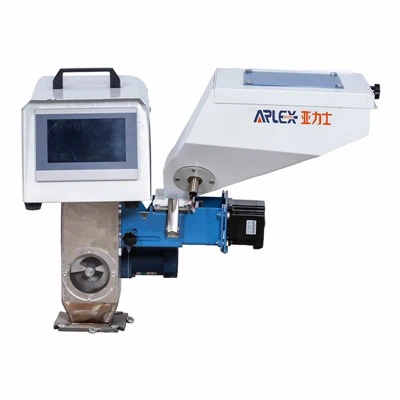
A Color Masterbatch Mixer is specifically designed to mix color masterbatches with plastic resins. These mixers need to ensure a uniform distribution of color, and the mixing cycle time can vary depending on the type and amount of masterbatch being used.
2. Material Properties
The properties of the plastic materials being mixed play a huge role in determining the mixing cycle time. For instance, if the plastic has a high viscosity, it will be more difficult to mix, and the mixing cycle time will likely be longer. Materials with different particle sizes or densities also require more time to achieve a homogeneous mix.
Some plastics may also have additives or fillers that need to be evenly dispersed. These additional components can increase the complexity of the mixing process and extend the mixing cycle time.
3. Mixing Speed and Intensity
The speed at which the mixer operates and the intensity of the mixing action are important factors. A higher mixing speed can generally reduce the mixing cycle time, but it's not always the best option. If the speed is too high, it can cause excessive heat generation, which might damage the plastic materials.
The intensity of the mixing, such as the shear force applied during mixing, also affects the cycle time. A more intense mixing action can break down agglomerates and disperse materials more quickly, but it needs to be balanced to avoid over - mixing or damaging the plastic.


4. Batch Size
The size of the batch being mixed is another key factor. Larger batches typically require more time to mix thoroughly. As the volume of the plastic materials increases, it becomes more challenging to ensure that all the materials are evenly mixed. So, if you're working with large - scale production, you need to account for a longer mixing cycle time.
Measuring and Optimizing the Mixing Cycle Time
To measure the mixing cycle time, you can start a stopwatch when you begin loading the materials into the mixer and stop it when the mixed materials are unloaded. Keep track of this time for several cycles to get an average.
Once you have a baseline measurement, you can start optimizing the mixing cycle time. Here are some tips:
- Choose the Right Mixer: Select a mixer that is suitable for your specific plastic materials and production requirements. As mentioned earlier, different mixers have different mixing capabilities and cycle times.
- Adjust Mixing Parameters: Experiment with the mixing speed, intensity, and other parameters to find the optimal settings. You might need to conduct some trials to determine the best combination for your materials.
- Pre - process the Materials: If possible, pre - process the plastic materials to make them easier to mix. For example, you can grind large particles or pre - heat the materials to reduce their viscosity.
- Maintain the Mixer: Regular maintenance of the mixer is essential. A well - maintained mixer will operate more efficiently and can help reduce the mixing cycle time.
Importance of the Right Mixing Cycle Time
Getting the mixing cycle time right is crucial for several reasons. Firstly, it affects the quality of your plastic products. A proper mixing cycle ensures that the plastic materials are evenly mixed, which results in consistent product quality.
Secondly, it impacts your production efficiency. By optimizing the mixing cycle time, you can increase your production output and reduce costs. You can produce more products in less time, which is a significant advantage in a competitive market.
Finally, it can also help with energy consumption. A shorter mixing cycle time generally means less energy is used during the mixing process, which is not only cost - effective but also more environmentally friendly.
Contact Us for Your Plastic Mixer Needs
If you're in the market for a plastic mixer and want to ensure you get the right one with an optimal mixing cycle time for your production, we're here to help. We have a wide range of plastic mixers, including Vertical Plastic Mixer, Screw Mixer, and Color Masterbatch Mixer.
Our team of experts can provide you with detailed information about the mixing cycle times of our different mixers and help you choose the best one for your specific needs. Don't hesitate to reach out to us for a consultation and start improving your plastic production process today.
References
- Plastic Mixing Technology Handbook
- Journal of Plastic Processing Research