

Injection Molding Solutions for Plastic Packaging
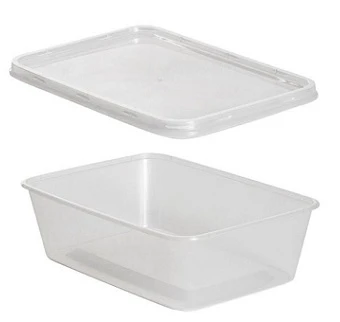
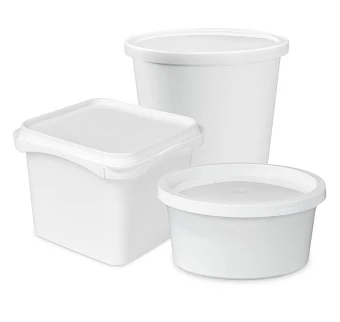
From thin-wall food containers and cups to caps, lids and industrial pails, ARLEX helps manufacturers match injection molding machine performance to their packaging products, mold requirements and production targets.
Packaging Applications
Different packaging products require different combinations of injection performance, clamping force, mold compatibility, cooling and automation.




Key Machine Selection Factors
Selecting a packaging injection molding machine requires evaluating the complete molding process-not just the machine's clamping force or nominal tonnage.
Clamping Force
Evaluate the total projected area of the molded parts and applicable runners, estimated cavity pressure and the required process margin. Confirm that the selected machine can support the mold and intended process conditions.
Injection Performance
Match injection speed, pressure and response to the resin, product geometry, wall thickness, flow path and required filling time.
Shot Capacity
Check the total shot requirement, including all cavities and applicable runners. The selected injection unit must provide suitable capacity for the intended material and process.
Plasticizing Capacity
Ensure that the screw can prepare the required melt consistently within the target cycle. Screw recovery time and plasticizing performance should be evaluated under relevant processing conditions.
Mold Compatibility
Verify tie-bar spacing, platen dimensions, mold thickness range, opening stroke and ejector requirements before confirming machine selection.
Cycle Time & Automation
Consider cooling, demolding, robot take-out, in-mold labeling (if required) and auxiliary equipment when evaluating the achievable production output.
General-Purpose vs. High-Speed Injection Molding Machines
The right machine depends on the packaging product, mold and production target. Not every packaging application requires a high-speed machine.
General-Purpose Injection Molding Machines
A practical option for packaging products with conventional wall sections and moderate filling requirements, subject to the required shot capacity, mold dimensions and cycle time.
Typical considerations:- Product weight and total shot requirement
- Required clamping force and mold dimensions
- Material and processing conditions
- Production flexibility and target output
High-Speed Injection Molding Machines
Designed for demanding thin-wall applications and short-cycle production where rapid filling, adequate plasticizing capacity and effective cooling are essential.
Typical considerations:- Wall thickness and flow path
- Required filling time and injection performance
- Mold cavity count and filling balance
- Cooling, demolding and automated take-out
Final selection should be based on the actual product, resin, mold design and required production output.
How to Select the Right Injection Molding Machine
Step 1 - Define the Product
Provide the product type, dimensions, weight, wall thickness and required production quantity. A product drawing or sample is helpful.
Step 2 - Confirm the Material and Mold
Identify the resin grade, number of cavities, mold layout, projected area and mold dimensions. These details affect injection requirements and machine compatibility.
Step 3 - Match the Machine Specifications
Evaluate clamping force, shot capacity, injection performance, plasticizing capacity, tie-bar spacing and mold opening requirements against the actual project.
Step 4 - Review Cycle Time and Automation
Consider cooling, ejection, robot take-out and any required auxiliary equipment. Confirm the production target against the complete molding process.
ARLEX Packaging Machine Solutions
ARLEX evaluates packaging projects based on product requirements, mold specifications and production targets before recommending a suitable machine configuration.
Explore the relevant machine series:
- General-Purpose Injection Molding Machines - for a range of packaging applications, subject to product and mold requirements.
- High-Speed Injection Molding Machines - for suitable thin-wall and short-cycle applications.
- PET Injection Molding Machines - for PET preform projects requiring application-specific injection and plasticizing evaluation.
Machine suitability and configuration must be confirmed against the actual project specifications.
Explore Our Machine Range →Frequently Asked Questions
How do I choose the right injection molding machine for packaging?
Start with the product dimensions, weight, resin, mold cavity count and required output. Then evaluate shot capacity, clamping force, injection performance, plasticizing capacity and mold compatibility.
Do all packaging products require a high-speed injection molding machine?
No. High-speed machines are relevant when the filling window and production target require higher injection performance and short cycles. Other packaging products may be better matched to a general-purpose machine.
What information should I provide for a machine quotation?
Provide the product drawing or sample, product weight and dimensions, material, mold size, cavity count, target cycle time, required output and destination country. If available, include the existing machine model and mold specifications.
Can ARLEX help evaluate a custom packaging project?
Yes. Share your product and production requirements so the team can review machine selection and the necessary configuration. Final recommendations depend on the project data and technical verification.
Discuss Your Packaging Injection Molding Project
Looking for a suitable machine for food containers, cups, caps, lids, buckets or cosmetic packaging?
Send us your product details and production requirements. ARLEX will review the key machine and mold parameters to help identify a suitable configuration.
- Product type and drawing or sample photo
- Product weight and material
- Mold dimensions and cavity count
- Target cycle time and production quantity
- Country / region and contact information
Ready to start your project?
Click below to send your technical details directly to our engineering team.
Send Inquiry via Email