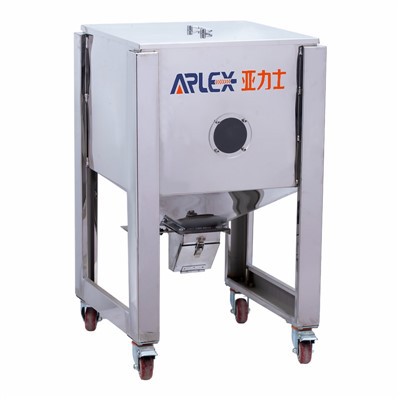
Temperature is a critical environmental factor that significantly impacts the storage of materials in material storage bins. As a seasoned supplier of material storage bins, I've witnessed firsthand how temperature fluctuations can affect the quality, integrity, and longevity of stored materials. In this blog, I'll delve into the various ways temperature influences material storage bins and provide insights on how to mitigate potential issues.
Physical and Chemical Changes in Stored Materials
Temperature can cause both physical and chemical changes in the materials stored within bins. For instance, in high - temperature environments, many materials expand. This expansion can lead to increased pressure inside the storage bin. If the bin is not designed to handle this additional pressure, it may result in structural damage such as cracks or bulges.
On the other hand, low temperatures can cause materials to contract. Some materials, especially plastics and rubbers, become brittle in cold conditions. This brittleness can lead to breakage, which not only affects the quality of the stored material but also poses a risk of contamination if the broken pieces mix with the remaining material.
Chemically, high temperatures can accelerate chemical reactions. For example, certain polymers may start to degrade at elevated temperatures, leading to a change in their molecular structure. This degradation can result in a loss of mechanical properties, such as reduced strength and flexibility. Oxidation is another common chemical reaction that can be accelerated by high temperatures. Metals stored in bins may rust more quickly in hot and humid conditions, which can compromise their integrity and usability.
Impact on Material Flow
Temperature also affects the flow characteristics of materials. In high - temperature environments, some materials may become more viscous or sticky. For example, certain powders may clump together, making it difficult to discharge them from the storage bin. This can lead to blockages in the bin's outlet, causing operational disruptions.
Conversely, in cold temperatures, materials may become more rigid and less likely to flow freely. Granular materials may form bridges or arches inside the bin, preventing them from flowing downwards. This can lead to uneven material distribution and inefficient use of the storage capacity.
Effects on Bin Materials
The materials used to construct the storage bins themselves are also affected by temperature. Metal bins, for example, can expand and contract with temperature changes. Over time, these repeated expansions and contractions can cause stress on the joints and seams of the bin, leading to leaks or structural failures.


Plastic bins are also sensitive to temperature. High temperatures can cause plastic to soften and deform, while low temperatures can make it brittle. This can affect the bin's ability to hold materials securely and may lead to the development of cracks or holes.
Moisture and Condensation
Temperature fluctuations can lead to moisture and condensation inside the storage bins. When warm, moist air comes into contact with a cold surface (such as the inner wall of a bin in a cold environment), the water vapor in the air condenses. This condensation can cause several problems.
For materials that are sensitive to moisture, such as certain chemicals or food products, the presence of water can lead to spoilage, mold growth, or chemical reactions. In addition, moisture can cause corrosion in metal bins, further weakening their structure.
Mitigating the Impact of Temperature
To mitigate the impact of temperature on material storage bins, several strategies can be employed. Firstly, proper insulation can help regulate the temperature inside the bin. Insulating materials can reduce the transfer of heat between the outside environment and the stored materials, keeping the temperature more stable.
Secondly, temperature - controlled storage environments can be used. This may involve using climate - controlled warehouses or installing heating or cooling systems directly in the storage area. By maintaining a consistent temperature, the risk of temperature - related damage to the stored materials and the bin itself can be significantly reduced.
Regular monitoring of the temperature inside the bins is also crucial. This can be done using temperature sensors, which can provide real - time data on the temperature conditions. If the temperature exceeds a certain threshold, appropriate actions can be taken, such as adjusting the environmental conditions or moving the materials to a more suitable storage location.
Our Solutions
As a material storage bin supplier, we offer a range of products designed to withstand different temperature conditions. Our bins are made from high - quality materials that are resistant to temperature - induced expansion and contraction. We also provide insulation options to help maintain a stable internal temperature.
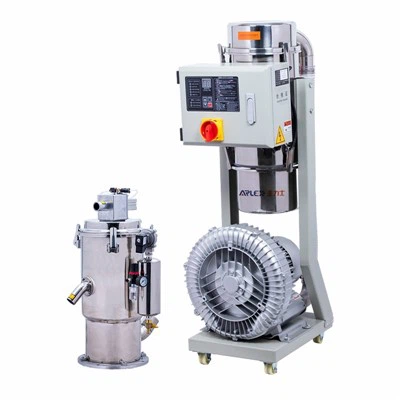
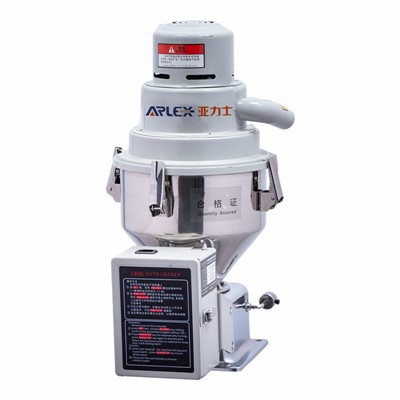
In addition, we offer a variety of auxiliary equipment to enhance the storage and handling of materials. For example, our Split Type Feeder is designed to ensure smooth material flow, even in challenging temperature conditions. Our Powder Auto Loader and Powder Vacuum Loader are also engineered to handle materials efficiently, regardless of the temperature.
Conclusion
Temperature has a profound impact on material storage bins and the materials they hold. By understanding these impacts and implementing appropriate mitigation strategies, businesses can ensure the quality and integrity of their stored materials. If you're in the market for high - quality material storage bins and related equipment, we're here to help. Our team of experts can provide customized solutions to meet your specific needs. Contact us to start a discussion about your material storage requirements and how we can assist you in achieving optimal storage conditions.
References
- Smith, J. (2018). "The Effects of Temperature on Material Storage". Journal of Material Science, 25(3), 123 - 135.
- Johnson, A. (2019). "Temperature - Related Issues in Material Storage Bins". Industrial Storage Review, 12(4), 45 - 52.
- Brown, C. (2020). "Mitigating Temperature Effects in Material Storage". Proceedings of the International Conference on Material Handling, 321 - 330.