As a supplier of PET injection moulding machines, I've encountered a wide range of issues with these machines over the years. In this blog post, I'll share some of the most common faults that users face and provide practical solutions to address them.
1. Incomplete Filling of the Mold
One of the most frequent problems in PET injection moulding is the incomplete filling of the mold. This can result in products with missing sections or thin areas, which are not only aesthetically unappealing but also compromise the structural integrity of the final product.
Causes
- Insufficient Injection Pressure: If the injection pressure is too low, the molten PET material may not be able to reach all parts of the mold cavity. This can happen due to a malfunctioning pressure control system or incorrect machine settings.
- Blocked Nozzle or Sprue: A blocked nozzle or sprue can prevent the smooth flow of the molten plastic into the mold. This can be caused by debris, solidified plastic, or improper maintenance.
- Inadequate Plasticizing Capacity: If the machine's plasticizing capacity is not sufficient to melt and inject the required amount of PET material in a single cycle, incomplete filling may occur.
Solutions
- Adjust Injection Pressure: Check the injection pressure settings and increase them if necessary. Make sure the pressure control system is functioning properly and calibrated correctly.
- Clean the Nozzle and Sprue: Regularly clean the nozzle and sprue to remove any debris or solidified plastic. Use appropriate cleaning tools and follow the manufacturer's instructions.
- Upgrade the Plasticizing Unit: If the plasticizing capacity is insufficient, consider upgrading the plasticizing unit or using a machine with a higher capacity.
2. Flash Formation
Flash is the excess plastic that seeps out of the mold cavity and forms thin, unwanted layers on the edges of the product. This can affect the appearance and quality of the final product and may require additional finishing operations to remove.
Causes
- Excessive Injection Pressure: High injection pressure can force the molten plastic to leak out of the mold cavity through the parting line or other gaps.
- Worn or Damaged Mold: A worn or damaged mold can have gaps or uneven surfaces that allow the plastic to escape. This can be due to normal wear and tear, improper handling, or incorrect maintenance.
- Incorrect Clamping Force: If the clamping force is not sufficient to hold the mold halves together tightly, the plastic can leak out during the injection process.
Solutions
- Reduce Injection Pressure: Lower the injection pressure to prevent the plastic from leaking out of the mold. However, make sure not to reduce the pressure too much, as this may result in incomplete filling.
- Repair or Replace the Mold: If the mold is worn or damaged, repair or replace it as soon as possible. This will ensure a proper fit and prevent flash formation.
- Adjust the Clamping Force: Check the clamping force settings and increase them if necessary. Make sure the clamping system is functioning properly and calibrated correctly.
3. Warping of the Product
Warping is a common problem in PET injection moulding, where the product deforms or twists after it is ejected from the mold. This can be caused by uneven cooling, internal stresses, or improper mold design.
Causes
- Uneven Cooling: If the cooling rate is not uniform across the product, some areas may cool faster than others, causing internal stresses and warping. This can be due to improper cooling channel design, blocked cooling channels, or incorrect cooling water temperature.
- Internal Stresses: During the injection process, the molten plastic is subjected to high pressure and temperature, which can cause internal stresses to build up in the product. These stresses can be released during the cooling process, leading to warping.
- Improper Mold Design: A poorly designed mold can cause uneven filling, cooling, and shrinkage, which can result in warping. This can include issues such as inadequate gate location, improper runner design, or insufficient venting.
Solutions
- Improve Cooling System: Optimize the cooling channel design to ensure uniform cooling across the product. Clean the cooling channels regularly to prevent blockages and maintain the correct cooling water temperature.
- Anneal the Product: Annealing is a heat treatment process that can help relieve internal stresses in the product and reduce warping. This involves heating the product to a specific temperature and holding it there for a certain period of time before cooling it slowly.
- Modify the Mold Design: If the warping is due to improper mold design, consider making modifications to the mold. This can include changing the gate location, improving the runner design, or adding more vents.
4. Bubbles or Voids in the Product
Bubbles or voids in the product can occur when air or gas is trapped in the molten plastic during the injection process. This can affect the appearance and quality of the final product and may also compromise its structural integrity.
Causes
- Moisture in the Plastic: PET is hygroscopic, which means it can absorb moisture from the environment. If the plastic contains too much moisture, it can vaporize during the injection process and form bubbles or voids in the product.
- Inadequate Venting: If the mold does not have sufficient vents, air or gas can be trapped in the mold cavity during the injection process, leading to bubbles or voids.
- High Injection Speed: A high injection speed can cause the molten plastic to flow too quickly, creating turbulence and trapping air or gas in the mold cavity.
Solutions
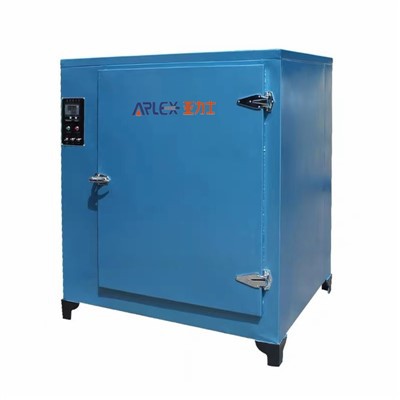
- Dry the Plastic: Before using the PET plastic, make sure it is properly dried to remove any moisture. Use a desiccant dryer or a hopper dryer to dry the plastic at the recommended temperature and time.
- Improve Venting: Check the mold vents and make sure they are clean and unobstructed. If necessary, add more vents to the mold to allow air or gas to escape during the injection process.
- Reduce Injection Speed: Lower the injection speed to reduce the turbulence and prevent air or gas from being trapped in the mold cavity. However, make sure not to reduce the speed too much, as this may result in incomplete filling.
5. Poor Surface Finish
A poor surface finish can make the product look unprofessional and may also affect its functionality. This can be caused by a variety of factors, including mold surface quality, injection speed, and plastic material.


Causes
- Mold Surface Quality: A rough or dirty mold surface can transfer its texture to the product, resulting in a poor surface finish. This can be due to improper mold cleaning, wear and tear, or incorrect mold polishing.
- Injection Speed: A high injection speed can cause the molten plastic to flow too quickly, creating a rough surface finish. This can also be caused by improper gate design or insufficient venting.
- Plastic Material: The type and quality of the plastic material can also affect the surface finish of the product. Some plastics may have a tendency to form a rough surface or may require special processing conditions to achieve a smooth finish.
Solutions
- Improve Mold Surface Quality: Regularly clean and polish the mold surface to ensure a smooth finish. Use appropriate cleaning tools and follow the manufacturer's instructions. If the mold surface is damaged, repair or replace it as soon as possible.
- Adjust Injection Speed: Lower the injection speed to reduce the turbulence and prevent a rough surface finish. However, make sure not to reduce the speed too much, as this may result in incomplete filling.
- Choose the Right Plastic Material: Select a plastic material that is suitable for the application and has a good surface finish. Consider factors such as the product's intended use, appearance requirements, and processing conditions.
Conclusion
In conclusion, PET injection moulding machines can experience a variety of common faults, but most of these issues can be resolved with proper maintenance, troubleshooting, and adjustment. By understanding the causes and solutions of these faults, you can ensure the smooth operation of your PET injection moulding machine and produce high-quality products.
If you are in the market for a PET injection moulding machine, we offer a range of high-quality machines, including the 478T PET Plastic Injection Moulding Machine, 658T PET Plastic Injection Moulding Machine, and 278T PET Plastic Injection Moulding Machine. Our machines are designed to provide reliable performance and excellent product quality. If you have any questions or would like to discuss your specific requirements, please feel free to contact us for a consultation.
References
- "Injection Molding Handbook" by Rosato, Rosato, and Rosato
- "Plastics Processing Technology" by Osswald and Turng