Hey there! As a supplier of plastic crushers, I've seen firsthand how crucial it is to boost the crushing efficiency of these machines. Whether you're running a small recycling operation or a large-scale manufacturing plant, getting the most out of your plastic crusher can save you time, money, and resources. In this blog post, I'm gonna share some tips and tricks to help you improve the crushing efficiency of your plastic crusher.
Choose the Right Plastic Crusher
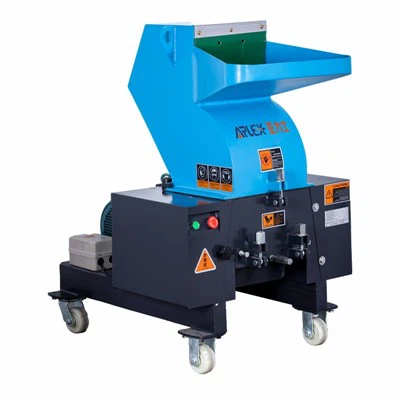
First things first, you gotta pick the right plastic crusher for your needs. There are different types of plastic crushers out there, each with its own set of features and capabilities. For heavy-duty applications, you might want to check out the Heavy Duty Plastic Crusher. This bad boy is designed to handle large volumes of plastic waste and can crush even the toughest plastics.
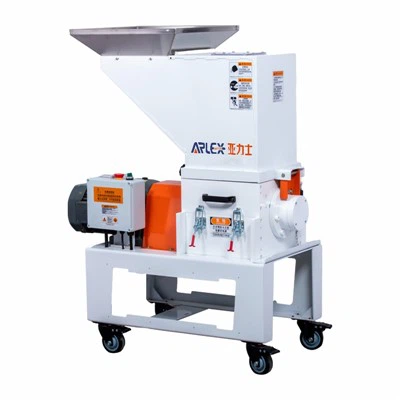
On the other hand, if you're dealing with softer plastics or need a more gentle crushing process, a Slow Speed Plastic Crusher might be the way to go. These crushers operate at a lower speed, which reduces heat generation and minimizes the risk of melting or deforming the plastic.
Prepare the Plastic for Crushing
Before you start feeding plastic into the crusher, it's important to prepare it properly. This means removing any contaminants, such as dirt, debris, or metal objects, that could damage the crusher or affect the quality of the crushed plastic. You can use a conveyor belt or a manual sorting system to separate the plastic from other materials.
It's also a good idea to cut the plastic into smaller pieces before crushing. This will make it easier for the crusher to handle and increase the efficiency of the crushing process. You can use a pair of scissors, a saw, or a cutting machine to cut the plastic into manageable sizes.
Optimize the Crusher Settings
Once you've chosen the right plastic crusher and prepared the plastic for crushing, it's time to optimize the crusher settings. This includes adjusting the speed, the gap between the blades, and the feed rate.
The speed of the crusher determines how fast the plastic is crushed. If the speed is too high, the plastic might not be crushed properly, and if the speed is too low, the crushing process will take longer. You need to find the right balance between speed and efficiency.
The gap between the blades is another important factor to consider. If the gap is too wide, the plastic might not be crushed finely enough, and if the gap is too narrow, the blades might get clogged or damaged. You need to adjust the gap according to the type and thickness of the plastic you're crushing.
The feed rate is the amount of plastic that you feed into the crusher at a time. If you feed too much plastic at once, the crusher might get overloaded and stop working. You need to feed the plastic slowly and steadily to ensure that the crusher can handle it.
Maintain the Crusher Regularly
Regular maintenance is essential to keep your plastic crusher running smoothly and efficiently. This includes cleaning the crusher, lubricating the moving parts, and replacing any worn or damaged parts.
You should clean the crusher after each use to remove any plastic debris or dust that might have accumulated inside. You can use a brush or a vacuum cleaner to clean the crusher.
Lubricating the moving parts of the crusher will reduce friction and wear, which will extend the lifespan of the crusher. You should lubricate the bearings, the gears, and the blades according to the manufacturer's instructions.
Replacing any worn or damaged parts is also important to ensure the safety and efficiency of the crusher. You should check the blades, the belts, and the motors regularly and replace them if necessary.
Train Your Operators
Finally, it's important to train your operators on how to use the plastic crusher properly. This includes teaching them how to operate the crusher safely, how to adjust the settings, and how to maintain the crusher.
You should provide your operators with a training manual or a video tutorial that explains the operation and maintenance of the crusher. You should also conduct regular training sessions to ensure that your operators are up-to-date on the latest safety and operating procedures.
By following these tips and tricks, you can improve the crushing efficiency of your plastic crusher and get the most out of your investment. If you have any questions or need more information about our plastic crushers, please don't hesitate to contact us. We're here to help you find the right solution for your needs.


References
- Plastic Recycling Handbook, by John Smith
- Industrial Plastic Crushers: A Comprehensive Guide, by Jane Doe