When it comes to industrial cooling solutions, screw chillers stand out as a reliable and efficient option. As a supplier of Screw Chiller, I often get asked about the cooling capacity range of these machines. In this blog post, I'll delve into the details of screw chiller cooling capacity, factors that influence it, and how to choose the right capacity for your specific needs.


Understanding Screw Chillers
Screw chillers are a type of refrigeration system commonly used in industrial and commercial applications. They work by compressing refrigerant gas using a pair of interlocking screws, which then circulates through a closed-loop system to remove heat from a process or space. Screw chillers are known for their high efficiency, reliability, and ability to handle large cooling loads.
Cooling Capacity Range of Screw Chillers
The cooling capacity of a screw chiller is typically measured in tons of refrigeration (TR). One ton of refrigeration is equivalent to the amount of heat required to melt one ton of ice in a 24-hour period, which is approximately 12,000 British Thermal Units (BTUs) per hour.
The cooling capacity range of screw chillers can vary widely depending on the model and manufacturer. Generally, screw chillers can have a cooling capacity ranging from as low as 50 tons to over 2,000 tons. Smaller screw chillers with capacities between 50 and 200 tons are often used in smaller industrial applications, such as food processing plants, pharmaceutical facilities, and small manufacturing operations. Medium-sized screw chillers with capacities between 200 and 500 tons are suitable for larger commercial buildings, data centers, and industrial processes. Large screw chillers with capacities over 500 tons are typically used in large industrial complexes, power plants, and district cooling systems.
Factors Affecting Cooling Capacity
Several factors can influence the cooling capacity of a screw chiller. Understanding these factors is crucial for selecting the right chiller for your application.
- Ambient Temperature: The ambient temperature of the environment where the chiller is installed can have a significant impact on its cooling capacity. Higher ambient temperatures can reduce the chiller's efficiency and cooling capacity, as the compressor has to work harder to remove heat from the refrigerant.
- Refrigerant Type: Different refrigerants have different thermodynamic properties, which can affect the cooling capacity of the chiller. Some refrigerants are more efficient at transferring heat than others, and the choice of refrigerant can also be influenced by environmental regulations.
- Chiller Design: The design of the chiller, including the size and configuration of the compressor, condenser, and evaporator, can also affect its cooling capacity. A well-designed chiller with a high-efficiency compressor and heat exchangers will typically have a higher cooling capacity than a poorly designed one.
- Load Requirements: The cooling load requirements of your application will also determine the size and capacity of the chiller you need. Factors such as the size of the space to be cooled, the heat generated by the process, and the desired temperature setpoint will all need to be considered when selecting a chiller.
Choosing the Right Cooling Capacity
Selecting the right cooling capacity for your screw chiller is essential to ensure optimal performance and energy efficiency. Here are some steps to help you choose the right capacity:
- Calculate the Cooling Load: The first step is to calculate the cooling load of your application. This involves determining the amount of heat that needs to be removed from the process or space. You can use a cooling load calculation tool or consult with a professional HVAC engineer to help you with this.
- Consider Future Expansion: It's important to consider future expansion when selecting a chiller. If you anticipate an increase in cooling load in the future, it may be wise to choose a chiller with a slightly higher capacity to accommodate the growth.
- Evaluate Energy Efficiency: Energy efficiency is an important consideration when choosing a chiller. Look for chillers with high Energy Efficiency Ratios (EER) and Integrated Part Load Values (IPLV) to minimize energy consumption and operating costs.
- Consult with a Professional: If you're unsure about which chiller capacity is right for your application, it's always a good idea to consult with a professional HVAC engineer or chiller supplier. They can provide you with expert advice and help you select the right chiller for your specific needs.
Types of Screw Chillers
There are two main types of screw chillers: water-cooled and air-cooled. Each type has its own advantages and disadvantages, and the choice between the two will depend on your specific application and requirements.
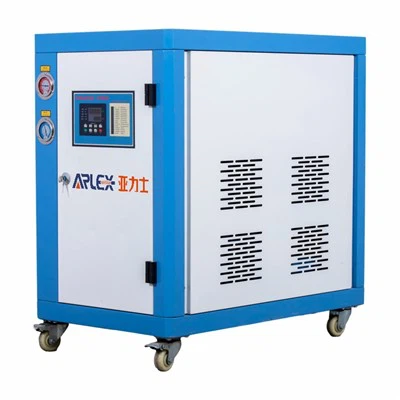
- Water Cooled Industrial Chiller: Water-cooled chillers use water as a cooling medium to remove heat from the refrigerant. They are typically more efficient than air-cooled chillers and are suitable for applications where a large amount of heat needs to be removed. Water-cooled chillers require a separate cooling tower to dissipate the heat, which can add to the initial cost and complexity of the system.
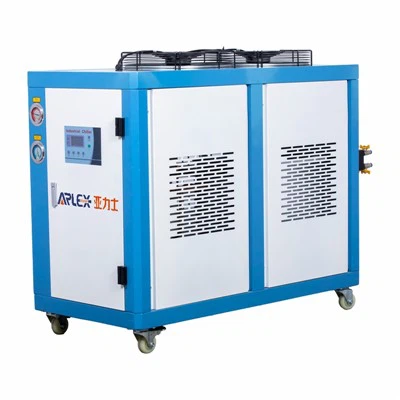
- Air Cooled Industrial Chiller: Air-cooled chillers use air as a cooling medium to remove heat from the refrigerant. They are generally more compact and easier to install than water-cooled chillers, and they do not require a separate cooling tower. However, air-cooled chillers are less efficient than water-cooled chillers and are more suitable for applications with lower cooling loads.
Conclusion
The cooling capacity range of a screw chiller can vary widely depending on the model and manufacturer. When selecting a screw chiller, it's important to consider factors such as the ambient temperature, refrigerant type, chiller design, and load requirements to ensure optimal performance and energy efficiency. Whether you choose a water-cooled or air-cooled chiller will depend on your specific application and requirements.
If you're in the market for a screw chiller, I encourage you to contact us to discuss your needs. Our team of experts can help you select the right chiller for your application and provide you with a customized solution that meets your requirements. We look forward to working with you to provide the best cooling solution for your business.
References
- ASHRAE Handbook - Refrigeration
- Carrier Corporation. (2023). Screw Chiller Product Guide.
- Trane Technologies. (2023). Screw Chiller Technical Manual.