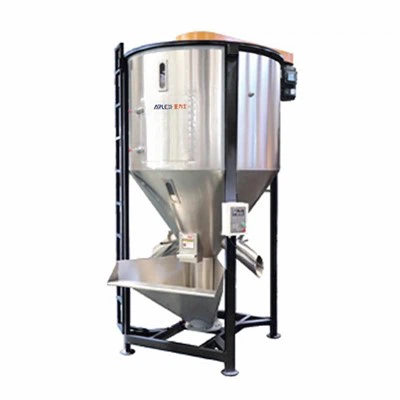
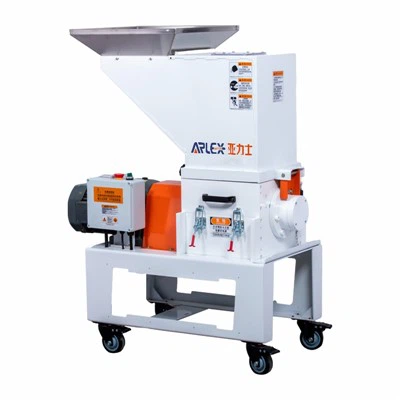
As a reputable supplier of Screw Mixers, I understand the paramount importance of safe operation when it comes to these essential pieces of equipment. In this blog, I will share comprehensive guidelines on how to operate a screw mixer safely, ensuring not only the well - being of operators but also the efficient and long - term performance of the machine.
Pre - operation Checks
Before starting the screw mixer, a series of pre - operation checks must be carried out. First, visually inspect the machine for any signs of damage, such as cracks in the housing, loose bolts, or worn - out components. Check the electrical connections to ensure they are secure and there are no exposed wires, which could pose an electrocution hazard.
Verify that the screw blades are in good condition. Look for any signs of bending, chipping, or excessive wear. Damaged screw blades can not only affect the mixing quality but also cause mechanical failures during operation. Additionally, make sure that the feed hopper is clean and free from any debris or foreign objects that could jam the mixer.
It is also crucial to check the lubrication levels of all moving parts. Proper lubrication reduces friction, extends the lifespan of the components, and ensures smooth operation. Refer to the manufacturer's manual for the recommended lubricants and lubrication intervals.
Personal Protective Equipment (PPE)
Operators must always wear appropriate personal protective equipment when operating a screw mixer. This includes safety goggles to protect the eyes from flying particles, earplugs or earmuffs to reduce noise exposure, and a dust mask to prevent inhalation of fine particles. Gloves should also be worn to protect the hands from sharp edges and hot surfaces.
In some cases, depending on the nature of the materials being mixed, additional protective gear such as a full - body suit or safety shoes may be required. It is the responsibility of the operator and the employer to ensure that all necessary PPE is provided and used correctly.
Loading the Screw Mixer
When loading the screw mixer, it is important to follow the recommended loading capacity. Overloading the mixer can lead to overheating, motor burnout, and uneven mixing. Carefully measure and add the materials to the feed hopper, taking into account the specific requirements of the mixing process.
Avoid adding large chunks of material that could cause blockages in the screw mechanism. If necessary, pre - process the materials to ensure they are of an appropriate size. When adding multiple materials, add them in the correct order as specified in the mixing recipe.
Operating the Screw Mixer
Once the pre - operation checks are completed and the materials are loaded, it is time to start the screw mixer. Before starting, make sure all personnel are clear of the machine and that the emergency stop button is easily accessible.
Start the mixer at a low speed and gradually increase the speed to the desired level. This helps to prevent sudden shocks to the system and ensures a smooth start. Monitor the operation of the mixer closely, paying attention to any unusual noises, vibrations, or changes in temperature.
If the mixer starts to make strange noises or shows signs of abnormal operation, stop the machine immediately and investigate the cause. Do not attempt to make any adjustments or repairs while the machine is running.
Monitoring and Control
During the mixing process, it is essential to monitor the parameters of the screw mixer. This includes the mixing time, speed, and temperature. Most modern screw mixers are equipped with control panels that allow operators to set and adjust these parameters.
Regularly check the temperature of the motor and other critical components. Overheating can indicate a problem with the motor, lubrication, or ventilation. If the temperature exceeds the recommended limit, stop the machine and allow it to cool down before further investigation.
Monitor the mixing quality by taking samples at regular intervals. If the mixture does not meet the required specifications, adjust the mixing parameters as needed.
Cleaning and Maintenance
After each use, the screw mixer should be thoroughly cleaned to prevent the buildup of materials, which can affect the performance of the machine and lead to corrosion. Turn off the power and allow the machine to cool down before starting the cleaning process.
Remove any remaining materials from the feed hopper and the screw mechanism. Use a suitable cleaning agent and a soft brush to clean the surfaces of the mixer. Pay special attention to hard - to - reach areas, such as the corners and crevices.
Regular maintenance is also crucial for the safe and efficient operation of the screw mixer. Follow the manufacturer's maintenance schedule, which may include tasks such as lubrication, belt tension adjustment, and component replacement.


Emergency Procedures
In case of an emergency, such as a fire, electrical fault, or mechanical failure, operators should know the emergency procedures. The emergency stop button should be pressed immediately to stop the machine. Evacuate the area and follow the established emergency response plan.
It is important to have a first - aid kit readily available in the work area and to ensure that all operators are trained in basic first - aid procedures.
Related Products
If you are looking for other types of mixers, we also offer Color Masterbatch Mixer and Gravimetric Blender. These products are designed to meet different mixing requirements and can be a great addition to your production line. You can also explore our Screw Mixer for more details.
Conclusion
Operating a screw mixer safely requires a combination of proper pre - operation checks, the use of personal protective equipment, careful loading and operation, monitoring, cleaning, and maintenance. By following these guidelines, operators can minimize the risk of accidents and ensure the efficient and long - term performance of the machine.
If you are interested in purchasing a screw mixer or have any questions about its operation and safety, please feel free to contact us for further discussion and procurement negotiation. We are committed to providing high - quality products and excellent customer service.
References
- Manufacturer's manual of the screw mixer
- Occupational Safety and Health Administration (OSHA) guidelines for industrial equipment operation
- Industry best practices for plastic mixing equipment operation