Hey there! As a supplier of Color Masterbatch Mixers, I've seen my fair share of issues when it comes to material leakage. It's a common problem that can lead to a lot of headaches, from wasted materials to potential safety hazards. But don't worry, I'm here to share some tips on how to prevent material leakage in a Color Masterbatch Mixer.
Understanding the Causes of Material Leakage
Before we dive into the prevention methods, it's important to understand what causes material leakage in the first place. There are several factors that can contribute to this issue, including:
- Worn Seals: Over time, the seals in the mixer can wear out, allowing materials to leak out. This is especially common in older mixers or those that are used frequently.
- Improper Installation: If the mixer is not installed correctly, it can lead to gaps or misalignments that allow materials to escape. This can happen if the mixer is not level or if the connections are not tightened properly.
- Overfilling: If the mixer is overfilled, the materials can spill out through the top or sides. This can happen if the operator is not paying attention or if the mixer is not designed to handle the amount of material being added.
- High Pressure: If the pressure inside the mixer is too high, it can cause the materials to leak out through the seals or other openings. This can happen if the mixer is being used at a higher speed or if the materials are being mixed under high pressure.
Preventive Measures
Now that we understand the causes of material leakage, let's look at some preventive measures that you can take to avoid this issue.


- Regular Maintenance: One of the most important things you can do to prevent material leakage is to perform regular maintenance on your mixer. This includes checking the seals, gaskets, and other components for wear and tear, and replacing them as needed. You should also clean the mixer regularly to prevent the buildup of materials that can cause leaks.
- Proper Installation: Make sure that the mixer is installed correctly and that all connections are tightened properly. This will help to prevent gaps and misalignments that can allow materials to escape. You should also make sure that the mixer is level and that it is installed on a stable surface.
- Avoid Overfilling: Make sure that you do not overfill the mixer. Follow the manufacturer's recommendations for the maximum amount of material that can be added to the mixer. This will help to prevent spills and leaks.
- Use the Right Pressure: Make sure that you are using the right pressure for the materials you are mixing. If the pressure is too high, it can cause the materials to leak out. You should also make sure that the mixer is equipped with a pressure relief valve to prevent overpressure.
- Choose the Right Mixer: When choosing a Color Masterbatch Mixer, make sure that you choose one that is designed to handle the materials you are mixing. This will help to prevent leaks and other issues. You should also consider the size and capacity of the mixer, as well as the features and functions that are important to you.
Types of Mixers and Their Features
There are several types of Color Masterbatch Mixers available on the market, each with its own unique features and benefits. Here are some of the most common types of mixers and their features:
- Screw Mixer: Screw mixers are designed to mix materials using a screw mechanism. They are ideal for mixing materials that are difficult to mix, such as powders and granules. Screw mixers are also available in a variety of sizes and capacities, making them suitable for a wide range of applications.
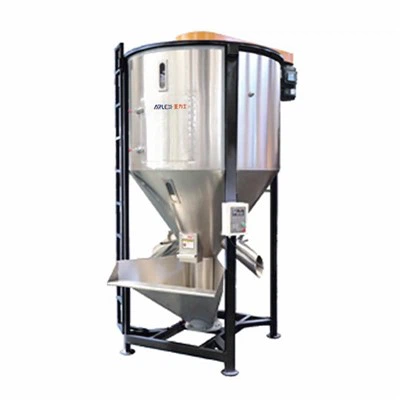
- Vertical Plastic Mixer: Vertical plastic mixers are designed to mix materials in a vertical orientation. They are ideal for mixing materials that are lightweight and easy to mix, such as plastics and resins. Vertical plastic mixers are also available in a variety of sizes and capacities, making them suitable for a wide range of applications.
- Gravimetric Blender: Gravimetric blenders are designed to mix materials using a gravimetric system. They are ideal for mixing materials that require precise measurements, such as color masterbatches and additives. Gravimetric blenders are also available in a variety of sizes and capacities, making them suitable for a wide range of applications.
Conclusion
Preventing material leakage in a Color Masterbatch Mixer is essential for ensuring the quality and efficiency of your production process. By understanding the causes of material leakage and taking the appropriate preventive measures, you can avoid this issue and keep your mixer running smoothly. If you have any questions or need further assistance, please don't hesitate to contact us. We're here to help you find the right mixer for your needs and ensure that it operates at its best.
References
- "Color Masterbatch Mixer: How to Prevent Material Leakage." Plastic Machinery Magazine, 2023.
- "Tips for Maintaining Your Color Masterbatch Mixer." Manufacturing Today, 2023.
- "Choosing the Right Color Masterbatch Mixer for Your Business." Industrial Equipment Journal, 2023.