


Reinforced cast iron construction and advanced closed-loop control ensure smooth rotation, accurate positioning, stable operation, and extended mold service life.
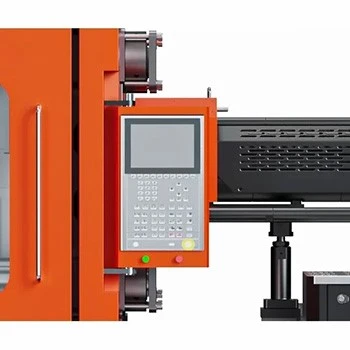
High-performance controller with synchronized communication, remote monitoring, precise positioning, and integrated system management for stable, accurate, and efficient multi-component molding.

Modular injection configurations, specialized screw technology, dual-cylinder balancing, and adaptive temperature control ensure maximum flexibility, precision, and reliable molding performance.
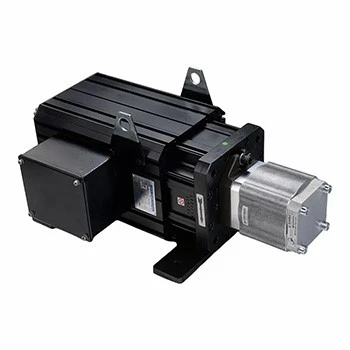
High-precision closed-loop servo control delivers accurate flow and pressure regulation, stable molding performance, and up to 80% energy savings.
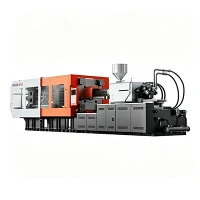
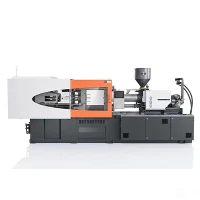
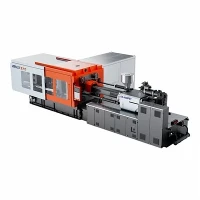
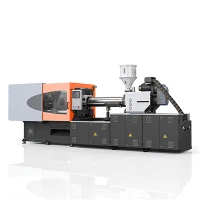


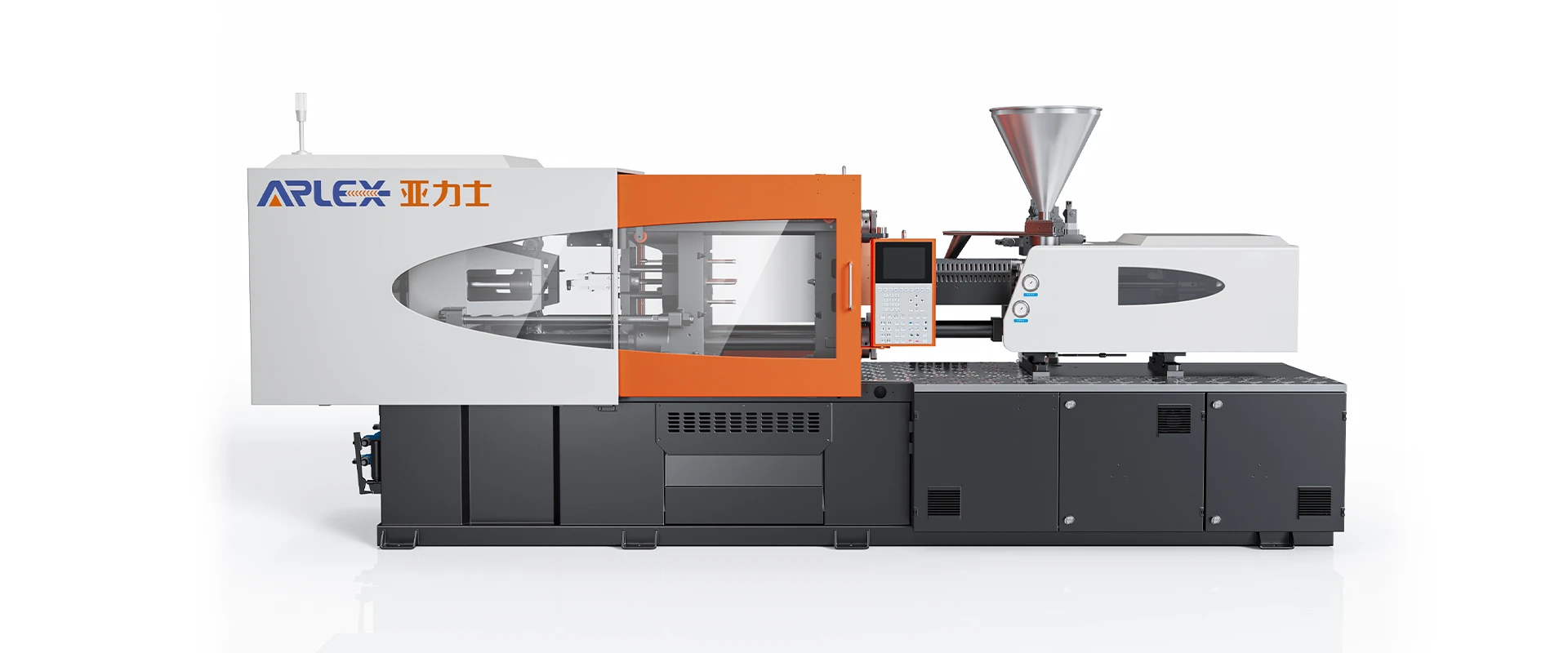
Long-Stroke High-Rigidity Molding Machine
Ningbo Yalishi(Arlex) Plastic Machinery Co., Ltd. is one of the leading manufacturers and suppliers of long-stroke high-rigidity molding machine in China. Please feel free to wholesale advanced long-stroke high-rigidity molding machine made in China here from our factory.
The Long-Stroke High-Rigidity Molding Machine integrates a reinforced clamping unit with an extended daylight clearance, developed for deep-draw components and multi-cavity tooling. This structural setup provides deflection-resistant mold support alongside extended stroke movement, allowing automatic part extraction without platen tilting or frame distortion.
Why Clamping Rigidity Matters
Mold Alignment: Structural stiffness limits platen deflection under clamping tonnage, maintaining guide pin and interlock alignment during continuous operation.
Clamping Stability: Rigid frame construction reduces parting-line movement during injection, helping to prevent flash formation on molded parts.
Force Distribution: Balanced load transfer across the platen area reduces stress concentrations on delicate core inserts and localized mold plate wear.
Mold Support: Uniform clamping load distribution minimizes mechanical fatigue across multi-cavity tool plates.
Production Consistency: Minimal platen flex helps hold tight part dimension tolerances across high-volume production runs.
Clamping Structure Design
Reinforced Cast Iron Frame: Base structures and platens are cast from high-tensile ductile iron to absorb vibration and withstand high locking forces.
Box-Type Platen Geometry: Finite Element Analysis optimized box platens direct clamping forces through the mold center to reduce center plate deflection.
Five-Point Toggle Kinematics: Hardened alloy pins and bronze bushings generate predictable toggle acceleration profiles and mechanical locking.
Tie Bar Engineering: Surface-hardened 40Cr steel tie bars with hard chrome plating bear tensile loads while maintaining equal stress distribution across all four bars.
Hydraulic Locking System: Closed-loop hydraulic control maintains stable holding pressure throughout the curing cycle.
Mold Installation Capability
Tie-Bar Clearance: Wide internal spacing between tie bars accepts large mold bases, side-core actuators, and service lines.
Maximum Mold Height: Extended distance between open platens accommodates hot-runner systems and multi-plate mold structures.
Minimum Mold Height: Broad mold-height adjustment range fits thinner single-cavity prototype tools without using extension blocks.
Platen Dimensions: Broad platen surfaces provide support for oversized mold backing plates.
Mounting Flexibility: Standardized T-slots and mounting hole configurations accommodate traditional mechanical clamps as well as rapid tool-changing systems.
Mold Opening Stroke & Ejection
Extended Opening Distance: Long travel distance provides necessary clearance for deep buckets, containers, and tall housing components.
Automation Clearance: Ample daylight permits top-entry or side-entry robots to access and retrieve deep parts without interfering with the mold face.
Multi-Point Ejector Layout: Symmetrical hydraulic ejector pin configuration applies balanced push force across large ejector plates.
Hydraulic Ejection: Dedicated hydraulic cylinders supply continuous ejector force throughout the full knock-out stroke.
Injection Unit
Dual-Cylinder Injection: Twin injection cylinders align thrust along the screw axis, preventing off-center torque on the carriage.
Nitrided Screw and Barrel: SACM645 alloy steel with deep nitriding treatment offers wear resistance against filled resins and additives.
Multi-Zone Temperature Control: Ceramic heating bands paired with PID controllers manage thermal gradients across barrel zones.
Linear Motion Guides: Low-friction linear guide blocks support carriage movement to maintain alignment and shot repeatability.
Suitable Mold Types
Multi-Cavity Molds: Broad platen coverage provides balanced force distribution across high-cavitation tooling.
Deep-Draw Molds: Long daylight distance allows tall molds to open fully and clear lengthy core pins.
Large Molds: Heavy ductile iron castings support high-mass mold bases without structural sag.
Long-Stroke Molds: Tooling with internal hydraulic core pulls or multi-stage ejection plates that require extra daylight clearance.
Suitable Applications
Deep plastic pails, drums, and waste containers requiring long stroke clearance for part extraction.
Deep-profile door panels, instrument sub-frames, and bumper covers.
Washing machine inner tubs, air conditioner main bases, and deep electronics enclosures.
Structural stackable crates requiring uniform wall thickness and zero platen flex.
Machine Specifications
|
Specification Item |
Unit |
Model 260 |
Model 360 |
Model 480 |
Model 600 |
Model 800 |
|
Clamping Force |
kN |
2,600 |
3,600 |
4,800 |
6,000 |
8,000 |
|
Tie-Bar Clearance (H×V) |
mm |
580 × 580 |
680 × 680 |
780 × 780 |
880 × 880 |
1,020 × 1,020 |
|
Mold Opening Stroke |
mm |
580 |
680 |
780 |
880 |
1,050 |
|
Max. Mold Height |
mm |
620 |
720 |
820 |
920 |
1,080 |
|
Min. Mold Height |
mm |
220 |
260 |
300 |
350 |
400 |
|
Ejector Stroke |
mm |
160 |
180 |
200 |
220 |
250 |
|
Ejector Tonnage |
kN |
70 |
90 |
110 |
140 |
180 |
Technical Configuration
|
System Assembly |
Engineering Standard |
Operational Detail |
|
Structural Castings |
QT500-7 Ductile Iron |
Stress-relieved box structure engineered to resist platen flex |
|
Toggle Mechanism |
5-Point Kinematic System |
Induction-hardened steel pins operating in graphite-bronze bushings |
|
Tie Bars |
40Cr Chrome-Plated Steel |
Precision ground finish supporting balanced load distribution |
|
Hydraulic Drive |
Servo-Pump System |
Variable speed servo motor paired with internal gear pump |
|
Control Unit |
Industrial Microcontroller |
Dedicated PLC controller managing temperature, motion, and pressure sequences |
|
Carriage Motion |
Heavy-Duty Linear Guides |
Linear support blocks reducing friction during injection movement |
Mold Trial & Machine Testing
Dry Cycle Verification: Full-speed kinematic testing to check cycle response, toggle motion, and stroke repeatability before shipment.
Platen Alignment Measurement: Dial indicator measurements across platen faces verify parallelism across opening and closing movements.
Tie Bar Tension Balancing: Strain gauge sensors mounted on all four tie bars calibrate tension to achieve balanced clamping tonnage.
Hydraulic Dwell Testing: Sustained pressure holding tests verify valve stability and seal integrity under working oil temperatures.
FAQ
Q: How does the extended stroke affect overall machine footprint?
A: The opening stroke is extended by modifying toggle geometry rather than lengthening the bed frame, keeping installation space comparable to standard models.
Q: How does the machine support heavy molds without causing platen tilt?
A: Linear guide shoes beneath the moving platen support mold weight along the machine bed, preventing tie-bar deflection or platen misalignment.
Q: What robot interface standards are supported for part removal?
A: Standardized electrical and signal connections allow integration with top-entry three-axis servo robots and automated side-entry handling equipment.
Q: Is the extended stroke machine suitable for thin-wall molding applications?
A: High platen rigidity and quick-response hydraulic valves maintain consistent injection pressure, making the clamping unit compatible with thin-wall tooling.
Q: How is clamping force accuracy verified during machine manufacturing?
A: Strain gauges attach to each individual tie bar during factory calibration to measure load distribution and confirm total tonnage output.
Hot Tags: long-stroke high-rigidity molding machine, China long-stroke high-rigidity molding machine manufacturers, suppliers, factory
You Might Also Like


Send Inquiry