Hey there! As a supplier of pet injection moulding machines, I'm stoked to share with you the main components of these nifty pieces of equipment. Whether you're a newbie in the plastic manufacturing game or a seasoned pro looking to brush up on your knowledge, this blog post is for you.
Let's start with the injection unit. This is where the magic happens. The injection unit is responsible for melting the plastic pellets and injecting them into the mould. It consists of a hopper, a screw, a barrel, and a nozzle.
The hopper is like the entrance gate for the plastic pellets. It's where you pour in the raw material, and from there, it makes its way down into the barrel. The hopper usually has a lid to keep the pellets clean and dry.
Next up is the screw. This is a long, threaded rod that rotates inside the barrel. As it turns, it pushes the plastic pellets forward, melting them as they go. The screw is crucial because it controls the flow and pressure of the molten plastic. Different types of screws are designed for different types of plastics and applications.
The barrel is the housing that surrounds the screw. It's heated to a specific temperature to melt the plastic. The temperature is carefully controlled to ensure that the plastic reaches the right consistency for injection. The barrel is typically made of high - strength steel to withstand the high pressure and temperature.
The nozzle is the final part of the injection unit. It's where the molten plastic exits the injection unit and enters the mould. The nozzle needs to be precisely designed to ensure a smooth and even flow of plastic into the mould.
Moving on to the clamping unit. This part of the pet injection moulding machine is responsible for holding the mould in place during the injection process. It has two main components: the fixed platen and the moving platen.
The fixed platen is, well, fixed. It's attached to the frame of the machine and provides a stable base for the mould. The moving platen, on the other hand, can move back and forth. It's connected to a hydraulic or electric system that controls its movement. When the mould is closed, the moving platen presses against the fixed platen, creating a tight seal. This is important because it prevents the molten plastic from leaking out during injection.
The clamping unit also has a locking mechanism. This ensures that the mould remains securely closed under the high pressure of the injection process. There are different types of locking mechanisms, such as toggle locks and hydraulic locks. Each has its own advantages and is chosen based on the specific requirements of the moulding process.
Another important component is the hydraulic system. Most pet injection moulding machines use a hydraulic system to power the injection and clamping units. The hydraulic system consists of a pump, valves, cylinders, and a reservoir.


The pump is responsible for generating the hydraulic pressure. It draws hydraulic fluid from the reservoir and pumps it into the cylinders. The valves control the flow of the hydraulic fluid, directing it to the appropriate parts of the machine. The cylinders convert the hydraulic pressure into mechanical force, which is used to move the moving platen and operate the injection unit.
The electrical control system is like the brain of the pet injection moulding machine. It controls all the functions of the machine, such as the temperature, pressure, and speed. The control system is usually a programmable logic controller (PLC) that can be programmed to perform specific tasks.
With the PLC, you can set the injection speed, the clamping force, and the cooling time. It also monitors the machine's performance and can detect any malfunctions. If something goes wrong, the control system can send an alarm or shut down the machine to prevent damage.
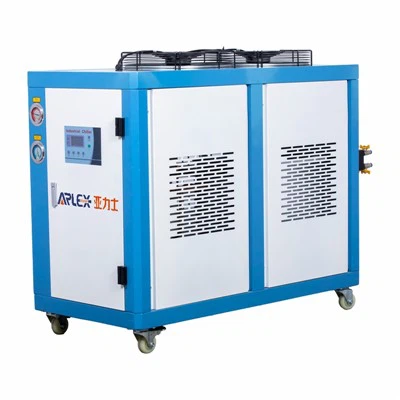
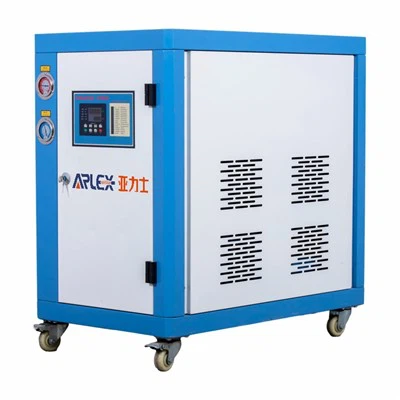
The cooling system is also a vital part of the pet injection moulding machine. After the plastic is injected into the mould, it needs to cool down and solidify. The cooling system helps to speed up this process. It usually consists of water channels in the mould and a cooling tower or chiller.
The water channels in the mould circulate cool water around the mould cavity, removing the heat from the plastic. The cooling tower or chiller cools the water and recirculates it back to the mould. Proper cooling is essential for producing high - quality products with accurate dimensions.
Now, let me tell you about some of the pet injection moulding machines we offer. We have the 358T PET Plactic Injection Moulding Machine, which is a powerful machine suitable for large - scale production. It has a high clamping force and a precise injection system, ensuring efficient and reliable operation.
We also have the 218T PET Plastic Injection Moulding Machine. This machine is more compact and is a great option for small to medium - sized production runs. It offers excellent performance at a more affordable price.
And then there's the 278T PET Plastic Injection Moulding Machine. It strikes a balance between the 218T and 358T machines, providing a good combination of power and flexibility.
If you're in the market for a pet injection moulding machine, we'd love to have a chat with you. We can help you choose the right machine for your specific needs and provide you with all the information you need. Whether you're looking to start a new project or upgrade your existing equipment, we're here to support you.
In conclusion, understanding the main components of a pet injection moulding machine is essential for anyone involved in the plastic manufacturing industry. From the injection unit to the cooling system, each part plays a crucial role in the production process. And if you're interested in purchasing a pet injection moulding machine, don't hesitate to reach out to us. We're ready to assist you in making the right choice.
References:
- "Plastic Injection Molding Handbook" by Dominick V. Rosato and David V. Rosato
- Industry research reports on pet injection moulding machines.