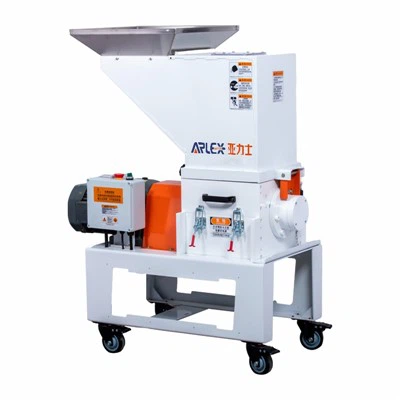
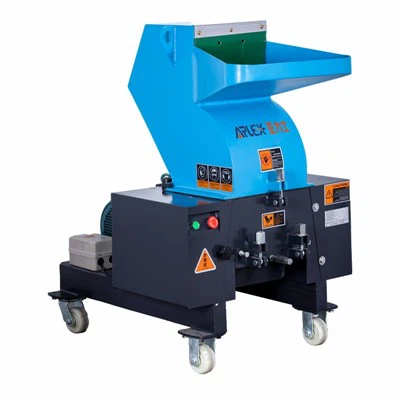
Ensuring the reliability of a slow speed plastic crusher is crucial for any business that relies on plastic recycling or processing. As a supplier of Slow Speed Plastic Crushers, I understand the importance of providing equipment that operates efficiently and consistently over time. In this blog post, I will share some key strategies and practices that can help you ensure the reliability of your slow speed plastic crusher.
1. Choose High - Quality Components
The reliability of a slow speed plastic crusher starts with the quality of its components. When selecting a crusher, look for models that are built with high - grade materials. For example, the cutting blades should be made of durable and wear - resistant steel. High - quality bearings are also essential, as they reduce friction and ensure smooth operation. The motor is another critical component; a powerful and reliable motor will provide the necessary torque to crush plastic materials effectively.
At our company, we source the best components for our Slow Speed Plastic Crushers. We work with trusted suppliers who meet strict quality standards. This ensures that our crushers can withstand the rigors of continuous operation and provide long - term reliability.
2. Regular Maintenance
Regular maintenance is the cornerstone of ensuring the reliability of any industrial equipment, and slow speed plastic crushers are no exception. A well - maintained crusher will operate more efficiently, have a longer lifespan, and be less likely to break down.
- Cleaning: Regularly clean the crusher to remove plastic debris, dust, and other contaminants. This helps prevent clogging and ensures that the moving parts can operate freely. Use compressed air or a soft brush to clean hard - to - reach areas.
- Lubrication: Proper lubrication of moving parts such as bearings and gears is essential. Follow the manufacturer's recommendations for the type and frequency of lubrication. Over - lubrication can be just as harmful as under - lubrication, so it's important to get the balance right.
- Inspection: Conduct regular inspections of the crusher to check for signs of wear and tear. Look for damaged blades, loose bolts, and other potential issues. Replace any worn or damaged parts promptly to prevent further damage to the crusher.
3. Operator Training
Proper operator training is vital for the reliable operation of a slow speed plastic crusher. An untrained operator may not use the equipment correctly, which can lead to premature wear and breakdowns.
- Safety Training: Ensure that operators are trained in safety procedures. This includes proper handling of the crusher, wearing appropriate personal protective equipment (PPE), and understanding emergency stop procedures.
- Operation Training: Train operators on how to operate the crusher correctly, including loading materials, adjusting settings, and monitoring the operation. They should also be taught how to troubleshoot common problems.
4. Environmental Considerations
The environment in which the slow speed plastic crusher operates can have a significant impact on its reliability.
- Temperature and Humidity: Extreme temperatures and high humidity can affect the performance of the crusher. Ensure that the crusher is installed in a well - ventilated area with a stable temperature and humidity level.
- Dust and Debris: A dusty environment can cause problems such as clogging and premature wear of components. Use dust collection systems to keep the area around the crusher clean.
5. Compatibility with Materials
The slow speed plastic crusher should be compatible with the types of plastic materials it will be processing. Different plastics have different properties, such as hardness, flexibility, and melting points. Using the crusher with incompatible materials can lead to poor performance and damage to the equipment.
- Understand Material Properties: Before using the crusher, understand the properties of the plastic materials. This will help you select the appropriate settings and ensure that the crusher can handle the materials effectively.
- Test with Small Batches: If you are introducing a new type of plastic material, test it with a small batch first. This allows you to observe how the crusher performs and make any necessary adjustments.
6. Upgrades and Improvements
As technology advances, there may be opportunities to upgrade your slow speed plastic crusher to improve its reliability and performance.
- Software Updates: Some modern crushers come with software that can be updated. These updates may include improvements in control algorithms, diagnostic capabilities, and energy efficiency.
- Component Upgrades: Consider upgrading components such as blades or motors to improve the crusher's performance. For example, upgrading to more advanced cutting blades can result in better crushing efficiency and longer blade life.
7. Backup and Redundancy
In some cases, it may be necessary to have a backup slow speed plastic crusher or redundant components. This can help minimize downtime in the event of a breakdown.
- Backup Crusher: If your business relies heavily on plastic crushing, having a backup crusher can ensure that production can continue even if the primary crusher fails.
- Redundant Components: Keep spare parts such as blades, bearings, and belts on hand. This allows you to quickly replace a failed component and get the crusher back up and running.
8. Monitoring and Data Analysis
Monitoring the performance of the slow speed plastic crusher can provide valuable insights into its reliability.
- Performance Metrics: Track metrics such as throughput, power consumption, and operating temperature. Analyzing these metrics over time can help you identify trends and potential issues before they become major problems.
- Remote Monitoring: Some crushers are equipped with remote monitoring capabilities. This allows you to monitor the crusher's performance from a distance and receive alerts if there are any issues.
9. Quality Control and Testing
Before delivering a slow speed plastic crusher to a customer, it is essential to conduct thorough quality control and testing.
- Factory Testing: At our company, we perform comprehensive factory testing on each Slow Speed Plastic Crusher before it leaves the factory. This includes testing the crusher's performance, safety features, and functionality.
- Customer Testing: We also encourage customers to test the crusher upon delivery to ensure that it meets their requirements. Our technical support team is available to assist with any testing and troubleshooting.
Conclusion
Ensuring the reliability of a slow speed plastic crusher requires a combination of high - quality components, regular maintenance, proper operator training, and attention to environmental factors. By following these strategies, you can maximize the lifespan and performance of your crusher.
If you are in the market for a reliable slow speed plastic crusher, we invite you to explore our range of Slow Speed Plastic Crushers and Heavy Duty Plastic Crushers. We are committed to providing high - quality equipment and excellent customer service. Contact us today to discuss your plastic crushing needs and start a procurement negotiation.


References
- "Plastic Recycling Machinery Handbook", various industry experts
- Manufacturer's manuals for slow speed plastic crushers
- Industry research reports on plastic processing equipment