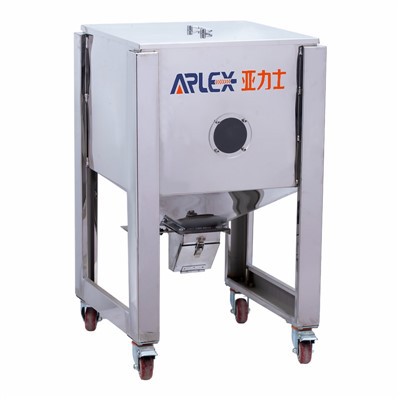
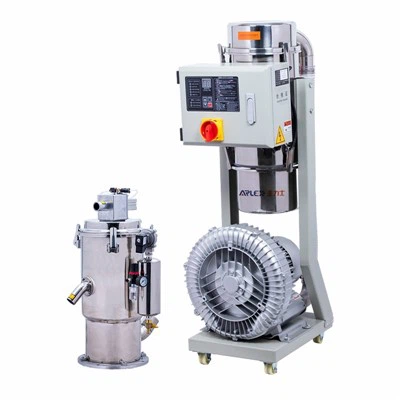
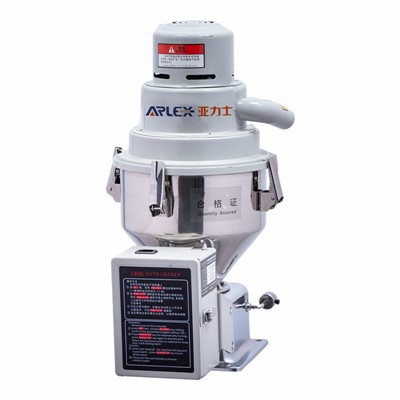
Adjusting the mixing time of a plastic mixer is a crucial aspect that directly impacts the quality of the final plastic products. As a plastic mixer supplier, I understand the significance of getting this right. In this blog, I'll share some insights on how to adjust the mixing time effectively.
Understanding the Basics of Mixing Time
The mixing time refers to the duration for which the plastic materials are blended inside the mixer. It is influenced by various factors, including the type of mixer, the properties of the plastic materials, and the desired homogeneity of the mixture.
Factors Affecting Mixing Time
Type of Mixer
Different types of plastic mixers have different mixing capabilities and optimal mixing times. For example, a Gravimetric Blender is designed to accurately measure and blend materials based on weight. It usually has a more precise and efficient mixing process compared to some other types of mixers. The mixing time for a gravimetric blender can be relatively shorter because it can quickly achieve a high level of homogeneity.
On the other hand, a Screw Mixer relies on the rotation of screws to move and blend the plastic materials. The mixing time for a screw mixer may be longer, especially if the materials are more viscous or difficult to blend.
A Vertical Plastic Mixer has its own unique mixing mechanism. The vertical design allows for a different flow pattern of the materials, and the mixing time needs to be adjusted according to the specific characteristics of the materials and the mixer's performance.
Properties of Plastic Materials
The properties of the plastic materials being mixed play a significant role in determining the mixing time. For instance, if the materials have different melting points, viscosities, or densities, it will take longer to achieve a uniform mixture. Materials with high viscosity tend to be more difficult to blend, and thus require a longer mixing time.
The particle size of the plastic materials also matters. Finer particles generally mix more easily and quickly compared to larger particles. If the materials have a wide range of particle sizes, additional mixing time may be needed to ensure that all particles are evenly distributed.
Desired Homogeneity
The level of homogeneity required for the final plastic product is another important factor. If a high degree of uniformity is needed, such as in applications where the plastic is used for precision molding, a longer mixing time may be necessary. In contrast, for some less demanding applications, a shorter mixing time may be sufficient.
How to Adjust the Mixing Time
Initial Testing
When using a new plastic mixer or a new combination of plastic materials, it is essential to conduct initial testing. Start with a conservative estimate of the mixing time based on the type of mixer and the properties of the materials. Run a few test batches and analyze the quality of the mixture. Check for any signs of uneven distribution, such as color variations or differences in physical properties.
Monitoring and Adjustment
During the mixing process, it is important to monitor the mixer's performance and the quality of the mixture. You can use visual inspection, sampling, or analytical techniques to assess the homogeneity of the mixture. If the mixture is not achieving the desired level of uniformity, gradually increase the mixing time in small increments.
For example, if you start with a mixing time of 5 minutes and find that the mixture is not well - blended, you can increase the time to 6 minutes for the next batch. Keep repeating this process until you achieve the desired homogeneity.
Using Technology
Many modern plastic mixers are equipped with advanced control systems that allow for precise adjustment of the mixing time. These systems can also provide real - time monitoring of the mixing process, such as temperature, speed, and torque. By analyzing the data provided by these systems, you can make more informed decisions about adjusting the mixing time.
Case Studies
Let's take a look at a couple of case studies to illustrate the importance of adjusting the mixing time.


Case Study 1: Gravimetric Blender
A customer was using a gravimetric blender to mix two different types of plastic resins for injection molding. Initially, they set the mixing time based on a general guideline. However, they noticed that the final molded products had some defects, such as streaks and uneven color distribution. After conducting some tests and gradually increasing the mixing time from 3 minutes to 5 minutes, the quality of the molded products significantly improved. The homogeneity of the mixture was better, and the defects were eliminated.
Case Study 2: Screw Mixer
Another customer was using a screw mixer to blend a highly viscous plastic material with some additives. They found that the initial mixing time of 10 minutes was not sufficient to achieve a uniform mixture. By increasing the mixing time to 15 minutes and adjusting the screw speed slightly, they were able to obtain a well - blended mixture that met their quality requirements.
Conclusion
Adjusting the mixing time of a plastic mixer is a complex but essential process. By considering the type of mixer, the properties of the plastic materials, and the desired homogeneity, you can optimize the mixing time to ensure the production of high - quality plastic products.
If you are in the market for a plastic mixer or need more advice on adjusting the mixing time, we are here to help. Our team of experts can provide you with professional guidance and support. Contact us to discuss your specific requirements and start a successful procurement process.
References
- "Plastics Processing Technology" by John A. Brydson
- "Handbook of Plastic Mixing and Compounding" by Frank X. Mohr