Hey there! As a supplier of Color Masterbatch Mixers, I've seen my fair share of common problems that users run into. In this blog, I'll walk you through how to troubleshoot these issues so you can keep your mixer running smoothly.
1. Mixing Unevenness
One of the most common problems with a Color Masterbatch Mixer is uneven mixing. You might notice that the color distribution in your masterbatch isn't consistent, which can lead to products with inconsistent colors.
Possible Causes
- Incorrect Mixing Time: If the mixer isn't running for long enough, the masterbatch and additives won't have enough time to blend properly. On the other hand, over - mixing can also cause problems, like degradation of the materials.
- Improper Loading: Loading the mixer with too much or too little material can affect the mixing process. Overloading can prevent the mixer from working effectively, while under - loading might not create enough agitation for proper mixing.
- Worn - out Mixing Components: The mixing blades or paddles can wear down over time. If they're not in good condition, they won't be able to mix the materials evenly.
Solutions
- Adjust the Mixing Time: Check the manufacturer's guidelines for the recommended mixing time. You can also do some trial and error to find the optimal time for your specific materials. Start with a short time and gradually increase it until you get an even mix.
- Load the Mixer Correctly: Make sure you're following the recommended loading capacity of the mixer. Don't over - or under - load it. If you're not sure, refer to the user manual.
- Inspect and Replace Mixing Components: Regularly check the mixing blades or paddles for wear and tear. If they're worn out, replace them with new ones. This will ensure that the mixer can mix the materials evenly.
2. Motor Issues
Another common problem is motor issues. If the motor isn't working properly, the mixer won't be able to function.


Possible Causes
- Overheating: The motor can overheat if it's running for too long or if there's not enough ventilation. Overheating can damage the motor and cause it to stop working.
- Electrical Problems: Loose connections, faulty wiring, or a blown fuse can all cause motor problems.
- Mechanical Problems: Issues like a seized bearing or a damaged belt can also prevent the motor from working properly.
Solutions
- Allow the Motor to Cool Down: If the motor is overheating, turn off the mixer and let it cool down. Make sure the ventilation around the motor is clear. You can also check if the cooling fan is working properly.
- Check the Electrical Connections: Inspect the wiring for any loose connections or damage. Replace any blown fuses. If you're not comfortable working with electricity, it's best to call a professional.
- Inspect and Repair Mechanical Components: Check the bearings, belts, and other mechanical parts for damage. Replace any parts that are worn out or damaged.
3. Noise and Vibration
Excessive noise and vibration can be a sign of a problem with the Color Masterbatch Mixer.
Possible Causes
- Imbalanced Mixer: If the mixer isn't properly balanced, it can cause excessive vibration and noise. This can be due to uneven loading or a problem with the mixer's base.
- Loose Parts: Loose bolts, nuts, or other parts can cause rattling and noise.
- Worn - out Bearings: Bearings that are worn out can cause a lot of noise and vibration.
Solutions
- Balance the Mixer: Make sure the mixer is placed on a level surface. Check for any uneven loading and adjust the amount of material accordingly. If the mixer has adjustable feet, use them to level the mixer.
- Tighten Loose Parts: Inspect the mixer for any loose bolts, nuts, or other parts. Tighten them to reduce noise and vibration.
- Replace Worn - out Bearings: If the bearings are worn out, replace them with new ones. This will reduce the noise and vibration and improve the performance of the mixer.
4. Leakage
Leakage from the mixer can be a messy and costly problem.
Possible Causes
- Seal Damage: The seals in the mixer can wear out over time, causing leakage. This can be due to normal wear and tear or exposure to harsh chemicals.
- Loose Fittings: Loose connections between pipes, hoses, or other components can also cause leakage.
Solutions
- Replace the Seals: If the seals are damaged, replace them with new ones. Make sure to use high - quality seals that are compatible with the materials you're using.
- Tighten the Fittings: Check all the connections for any loose fittings. Tighten them to prevent leakage. If the fittings are damaged, replace them.
Types of Color Masterbatch Mixers
There are different types of Color Masterbatch Mixers available, each with its own features and benefits.
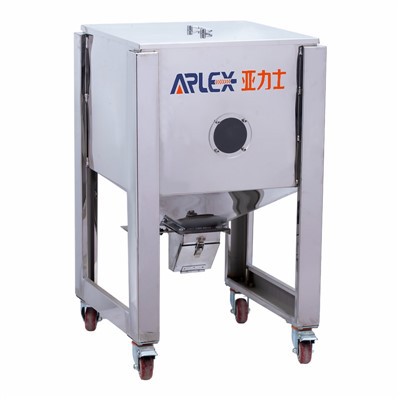
- Screw Mixer: Screw mixers are great for mixing materials that require a high degree of agitation. They use a screw mechanism to move the materials around, ensuring a thorough mix.
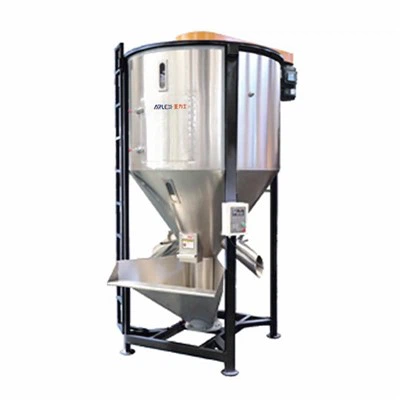
- Vertical Plastic Mixer: Vertical plastic mixers are ideal for mixing large volumes of materials. They have a vertical design that allows for efficient mixing and easy loading and unloading.
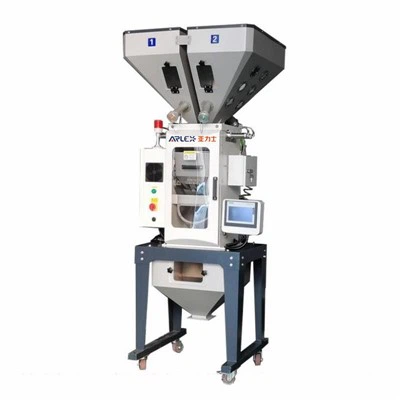
- Gravimetric Blender: Gravimetric blenders are used for precise mixing of materials. They measure the materials by weight, ensuring accurate and consistent mixing.
If you're experiencing any of these common problems with your Color Masterbatch Mixer, don't hesitate to reach out. We're here to help you troubleshoot and get your mixer back up and running. Whether you need replacement parts, technical support, or advice on choosing the right mixer for your needs, we've got you covered. Contact us to start a discussion about your requirements and find the best solution for your business.
References
- Manufacturer's user manuals for Color Masterbatch Mixers
- Industry standards and best practices for plastic mixing equipment