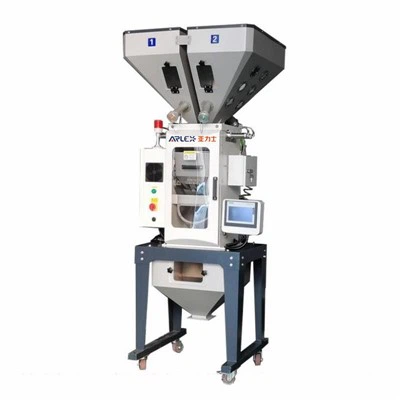
Hey there! As a supplier of auto loaders, I've seen firsthand the integration challenges that come with these nifty machines. Auto loaders are a game - changer in the manufacturing world, but getting them to work seamlessly with existing systems isn't always a walk in the park. In this blog, I'll break down some of the key integration challenges we often face.
Compatibility with Existing Equipment
One of the biggest hurdles is making sure the auto loader can play nice with the other equipment in the production line. For example, conveyor belts are a common part of many manufacturing setups. You'd think it would be easy to connect an auto loader to a Conveyor Belt, but there are a few things to consider.
First off, the speed and capacity of the conveyor belt need to match the auto loader. If the conveyor moves too fast, the auto loader might not be able to keep up, leading to jams or inconsistent loading. On the other hand, if the conveyor is too slow, it can bottleneck the entire process.
Another aspect is the physical connection. The auto loader needs to be properly aligned with the conveyor belt so that materials can be transferred smoothly. This might require some custom - made adapters or modifications to the conveyor or the loader itself.
Material Handling and Storage
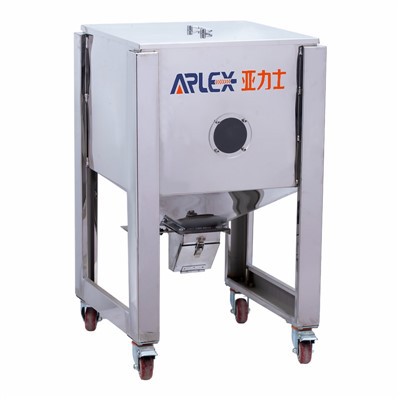
Material storage bins are crucial for keeping a steady supply of raw materials for the auto loader. However, integrating these bins with the loader can be tricky. The Material Storage Bin needs to be sized correctly to hold enough material for continuous operation, but not so large that it becomes unwieldy.
The way the material is fed from the bin to the loader is also important. Some materials are prone to clumping or bridging, which can block the flow into the loader. This means we need to design the bin and the feeding mechanism in a way that promotes smooth material flow. For example, adding agitators or vibrators to the bin can help break up clumps and keep the material moving.
Software and Control System Integration
In today's digital age, most auto loaders come with advanced software and control systems. But integrating these systems with the existing factory automation network can be a headache. Different machines might use different communication protocols, making it difficult to get them to talk to each other.
For instance, if the auto loader uses a specific type of industrial Ethernet protocol, but the rest of the factory is running on a different protocol, we need to find a way to bridge the gap. This might involve using protocol converters or developing custom software interfaces.
Moreover, the control system of the auto loader needs to be synchronized with the rest of the production line. If the loader starts or stops at the wrong time, it can cause disruptions and waste materials. So, we need to make sure that the timing and sequencing of the loader's operations are in line with the overall production schedule.
Space Constraints
Factories are often tight on space, and fitting an auto loader into an existing layout can be a challenge. The loader needs to be placed in a location where it can access the necessary materials and connect to other equipment without causing obstructions.
Sometimes, we have to get creative with the installation. For example, we might need to use a Split Type Hopper Loader that can be split into smaller parts and installed in a more confined space. This type of loader can be a great solution for factories with limited room.
Operator Training
Even if the auto loader is perfectly integrated with the existing equipment, it won't work well if the operators don't know how to use it properly. Training is essential to ensure that the operators can operate the loader safely and efficiently.
The training should cover everything from basic operation to troubleshooting. Operators need to understand how to load materials, adjust settings, and handle any issues that might arise. This can be time - consuming and requires a well - structured training program.


Maintenance and Support
Once the auto loader is integrated into the production line, it needs to be maintained regularly. This includes cleaning, lubricating, and replacing worn - out parts. However, maintenance can be a challenge, especially if the loader is integrated with other complex systems.
We need to provide easy - to - follow maintenance instructions and make sure that replacement parts are readily available. Additionally, having a reliable support team on standby is crucial. If something goes wrong, the operators need to be able to get help quickly to minimize downtime.
Cost Considerations
Integrating an auto loader can be expensive. There are costs associated with purchasing the loader, modifying existing equipment, and training the operators. Moreover, there might be ongoing costs for maintenance and support.
As a supplier, we need to work with our customers to find cost - effective solutions. This might involve finding ways to reuse existing equipment, choosing the right type of loader for the specific application, and negotiating favorable pricing for parts and services.
Conclusion
Integrating an auto loader into an existing production line is no easy feat. From compatibility issues to software integration, space constraints, and cost considerations, there are many challenges to overcome. But with the right approach and a bit of creativity, these challenges can be managed.
If you're considering adding an auto loader to your production line, don't hesitate to reach out. We have the expertise and experience to help you navigate the integration process and ensure that your auto loader works seamlessly with your existing equipment. Let's have a chat and see how we can make your manufacturing process more efficient and productive.
References
- Industry best practices for auto loader integration
- Case studies of successful auto loader integrations in manufacturing plants
- Technical specifications of auto loaders and related equipment