When it comes to the manufacturing industry, especially in injection molding and related processes, powder auto loaders play a crucial role. As a supplier of powder auto loaders, I am often asked about the power ratings of different powder auto loaders. In this blog, I will delve into this topic, exploring the power ratings of various types of powder auto loaders and their implications for different applications.
Understanding Power Ratings in Powder Auto Loaders
Power ratings in powder auto loaders are typically measured in kilowatts (kW) or horsepower (hp). These ratings indicate the amount of energy the loader consumes to perform its functions, such as suctioning, conveying, and unloading powder materials. The power rating of a powder auto loader is an important factor to consider as it directly affects the loader's performance, efficiency, and operating costs.
A higher power rating generally means that the loader can handle larger volumes of powder, operate at higher speeds, and overcome greater resistance in the conveying system. However, it also means higher energy consumption and potentially higher operating costs. On the other hand, a lower power rating may be sufficient for smaller-scale operations or applications with less demanding requirements, resulting in lower energy consumption and operating costs.
Types of Powder Auto Loaders and Their Power Ratings
There are several types of powder auto loaders available in the market, each with its own power rating and characteristics. Here are some common types of powder auto loaders and their typical power ratings:
Central Loading System
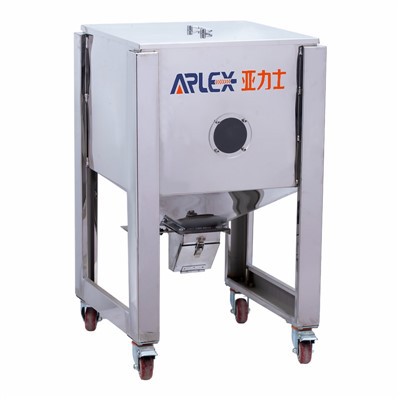
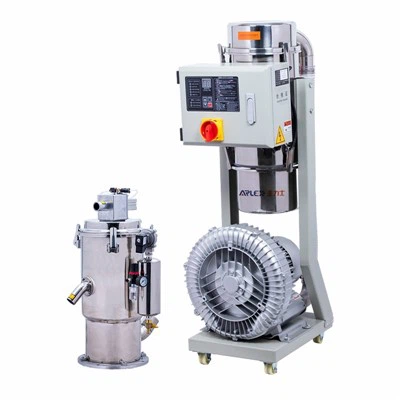
A Central Loading System is a comprehensive solution for handling powder materials in a large-scale manufacturing environment. It consists of a central vacuum unit, multiple conveying lines, and various loading stations. Central loading systems are designed to provide efficient and reliable powder handling for multiple processing machines.
The power rating of a central loading system can vary depending on the size and capacity of the system, as well as the number of loading stations and the distance of the conveying lines. Typically, central loading systems have power ratings ranging from 3 kW to 15 kW or more. Larger systems with higher capacities and longer conveying distances require more power to operate effectively.
Powder Auto Loader
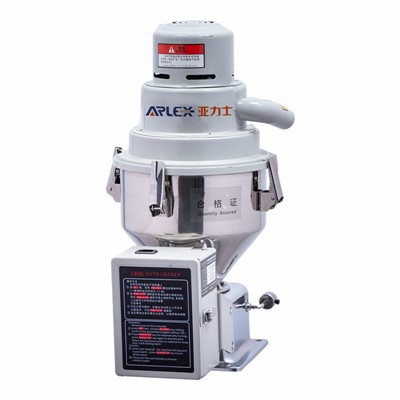
A Powder Auto Loader is a standalone unit designed to load powder materials directly into processing machines. It is commonly used in smaller-scale manufacturing operations or for specific applications where a centralized loading system is not required.
The power rating of a powder auto loader is generally lower than that of a central loading system. It typically ranges from 0.5 kW to 3 kW, depending on the size and capacity of the loader. Smaller powder auto loaders with lower power ratings are suitable for applications with lower powder flow rates and shorter conveying distances.
European Style Vacuum Hopper Loader
A European Style Vacuum Hopper Loader is a type of powder auto loader that uses a vacuum to draw powder materials from a hopper into the processing machine. It is known for its compact design, high efficiency, and reliable performance.
The power rating of a European style vacuum hopper loader can vary depending on the size and capacity of the loader, as well as the type of powder material being handled. Typically, these loaders have power ratings ranging from 0.75 kW to 5 kW. Higher power ratings are required for handling heavier or more viscous powder materials.
Factors Affecting Power Ratings
Several factors can affect the power rating of a powder auto loader. These factors include:
Powder Material Properties
The properties of the powder material being handled, such as density, particle size, and flowability, can have a significant impact on the power rating of the loader. Heavier or more viscous powder materials require more power to suction and convey, while lighter and more free-flowing powders may require less power.
Conveying Distance and Height
The distance and height over which the powder needs to be conveyed also affect the power rating of the loader. Longer conveying distances and higher vertical lifts require more power to overcome the resistance in the conveying system.
Loading Capacity
The loading capacity of the loader, which is the amount of powder it can handle per unit of time, also plays a role in determining the power rating. Higher loading capacities generally require more power to operate the loader effectively.
System Configuration
The configuration of the powder handling system, including the number of conveying lines, the type of valves and fittings, and the presence of filters or other accessories, can also affect the power rating of the loader. A more complex system with multiple components may require more power to operate.
Choosing the Right Power Rating
When choosing a powder auto loader, it is important to consider the specific requirements of your application and select a loader with the appropriate power rating. Here are some tips to help you choose the right power rating:
Evaluate Your Application
Start by evaluating your application requirements, including the type of powder material, the required loading capacity, the conveying distance and height, and any other specific requirements. This will help you determine the minimum power rating needed for your application.
Consider Future Growth
If you anticipate future growth in your production volume or changes in your powder handling requirements, it may be advisable to choose a loader with a slightly higher power rating than your current needs. This will allow you to accommodate future expansion without having to replace the loader.
Consult with a Supplier
As a powder auto loader supplier, I can provide you with expert advice and guidance on choosing the right power rating for your application. I can also help you select the most suitable loader based on your specific requirements and budget.


Contact for Purchase and Negotiation
If you are interested in purchasing a powder auto loader or have any questions about power ratings or other aspects of powder handling, I encourage you to contact me. I am here to assist you in finding the right solution for your needs and to provide you with the best possible service.
References
- "Powder Handling and Conveying Systems" by David Mills
- "Injection Molding Handbook" by Oleg V. Gutowski