Hey there! As a supplier of Vertical Plastic Mixers, I often get asked about the transportation requirements for these machines. It's a crucial aspect that can significantly impact the delivery and installation process. In this blog, I'll share some insights into what you need to know when transporting a vertical plastic mixer.
Understanding the Basics of Vertical Plastic Mixers
Before we dive into the transportation requirements, let's quickly go over what a vertical plastic mixer is. A Vertical Plastic Mixer is a key piece of equipment in the plastic processing industry. It's designed to blend different types of plastic materials evenly, ensuring a consistent quality of the final product. These mixers come in various sizes and capacities, depending on the specific needs of the production line.
Size and Weight Considerations
One of the first things to consider when transporting a vertical plastic mixer is its size and weight. These machines can be quite large and heavy, especially the industrial - grade models. You need to know the exact dimensions and weight of the mixer to choose the right transportation method.
For smaller vertical plastic mixers, they might be light enough to be transported using a standard delivery van. However, larger models may require a flatbed truck or even a specialized heavy - haul vehicle. Make sure to measure the mixer accurately, including its height, width, and length, and get an accurate weight measurement. This information will help you determine the appropriate transportation vehicle and ensure that it can handle the load safely.
Packaging for Transportation
Proper packaging is essential to protect the vertical plastic mixer during transportation. The mixer should be securely packed to prevent any damage from vibrations, impacts, or environmental factors.
First, the mixer should be cleaned thoroughly before packaging. Remove any loose parts, debris, or residual plastic materials. Then, use high - quality packing materials such as foam, bubble wrap, and wooden crates. The foam and bubble wrap can provide cushioning to absorb shocks during transit, while the wooden crate offers additional protection and structural support.
If the mixer has any delicate components, like control panels or sensors, they should be individually wrapped and protected. Label the package clearly with the model number, weight, and handling instructions. This will help the transportation company handle the package correctly and ensure that it arrives at its destination in good condition.
Loading and Unloading
Loading and unloading the vertical plastic mixer require careful planning and proper equipment. When loading the mixer onto the transportation vehicle, use a forklift or a crane, depending on the size and weight of the machine. Make sure the forklift or crane is rated to handle the weight of the mixer.


During loading, the mixer should be positioned securely on the vehicle. Use straps or chains to fasten it down to prevent it from shifting during transit. When unloading, follow the same safety procedures. Ensure that the unloading area is flat and stable, and use the appropriate equipment to safely remove the mixer from the vehicle.
Transportation Route and Permits
The transportation route is another important factor. You need to consider the road conditions, traffic, and any potential obstacles along the way. Avoid routes with low bridges, narrow roads, or areas prone to traffic congestion.
In some cases, transporting a large vertical plastic mixer may require special permits. Depending on the size and weight of the machine and the regulations in the area, you may need to obtain overweight or over - dimensional permits. These permits ensure that the transportation is legal and safe. Check with the local transportation authorities well in advance to find out what permits are required and how to obtain them.
Compatibility with Other Equipment
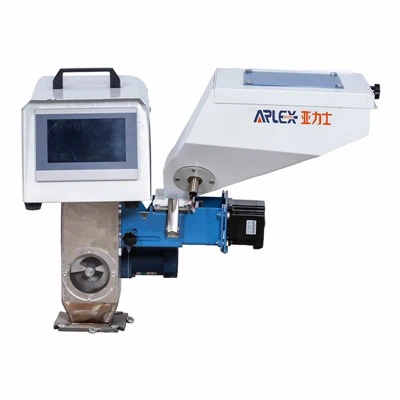
If you're transporting the vertical plastic mixer along with other equipment, such as a Screw Mixer or a Gravimetric Blender, make sure they are compatible in terms of size, weight, and transportation requirements. You may need to adjust the packaging and loading arrangements to accommodate all the equipment safely.
Insurance
It's always a good idea to have insurance for the transportation of the vertical plastic mixer. Accidents can happen during transit, and insurance can provide financial protection in case of damage or loss. Contact an insurance provider that specializes in transporting industrial equipment. They can offer you a policy that suits your needs and covers the value of the mixer.
Installation and Commissioning
Once the vertical plastic mixer arrives at its destination, proper installation and commissioning are crucial. Make sure to follow the manufacturer's instructions carefully. The installation process may require professional technicians, especially for larger and more complex models.
During commissioning, test the mixer to ensure that it's working properly. Check for any leaks, abnormal noises, or malfunctions. Make any necessary adjustments to ensure optimal performance.
Why Choose Our Vertical Plastic Mixers
At our company, we take pride in providing high - quality vertical plastic mixers. Our mixers are designed with the latest technology to ensure efficient and uniform mixing of plastic materials. We offer a wide range of models to meet different production requirements.
We also understand the importance of transportation and after - sales service. We can assist you in arranging the transportation of the mixer and provide support during the installation and commissioning process. Our team of experts is always ready to answer your questions and help you get the most out of your vertical plastic mixer.
Contact Us for Purchase and Consultation
If you're interested in purchasing a vertical plastic mixer or have any questions about transportation requirements, don't hesitate to reach out. We're here to help you every step of the way. Whether you need a small - scale mixer for a startup or a large - capacity model for an established production line, we have the right solution for you.
References
- Industry standards for packaging and transportation of industrial equipment.
- Manufacturer's guidelines for vertical plastic mixers.
- Local transportation regulations and permit requirements.