


Reinforced cast iron construction and advanced closed-loop control ensure smooth rotation, accurate positioning, stable operation, and extended mold service life.
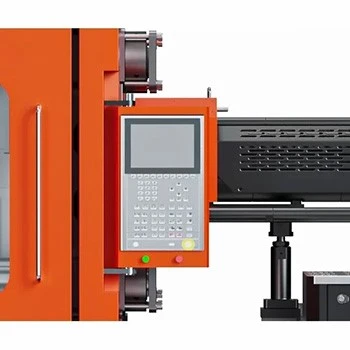
High-performance controller with synchronized communication, remote monitoring, precise positioning, and integrated system management for stable, accurate, and efficient multi-component molding.

Modular injection configurations, specialized screw technology, dual-cylinder balancing, and adaptive temperature control ensure maximum flexibility, precision, and reliable molding performance.
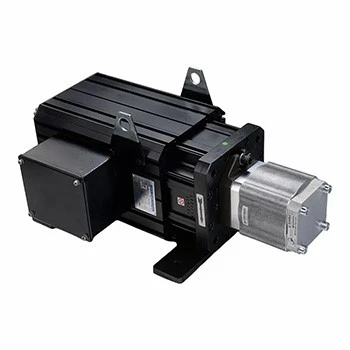
High-precision closed-loop servo control delivers accurate flow and pressure regulation, stable molding performance, and up to 80% energy savings.
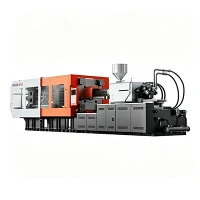
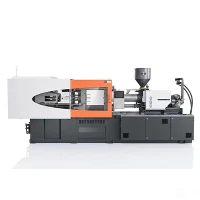
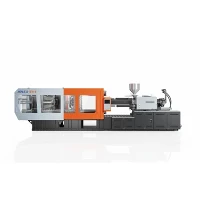
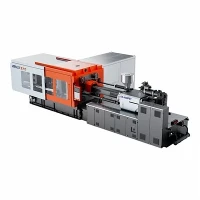

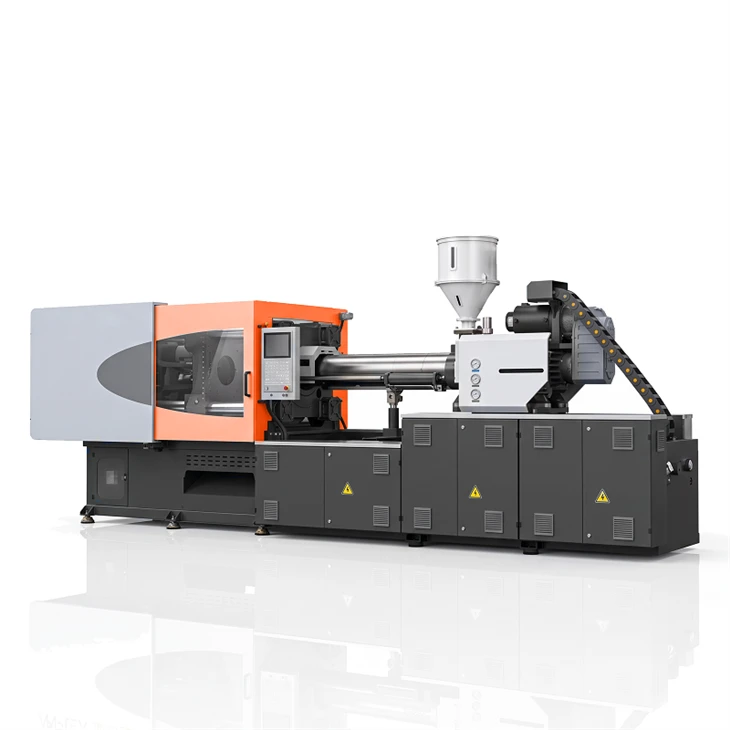
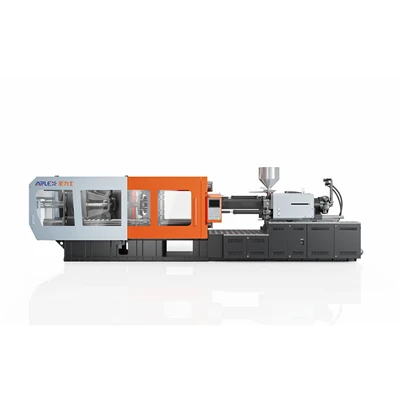
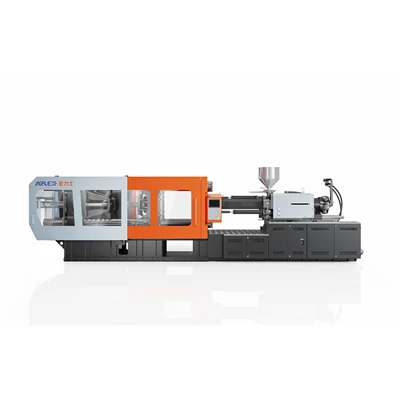
Servo Energy-Saving Molding Machine
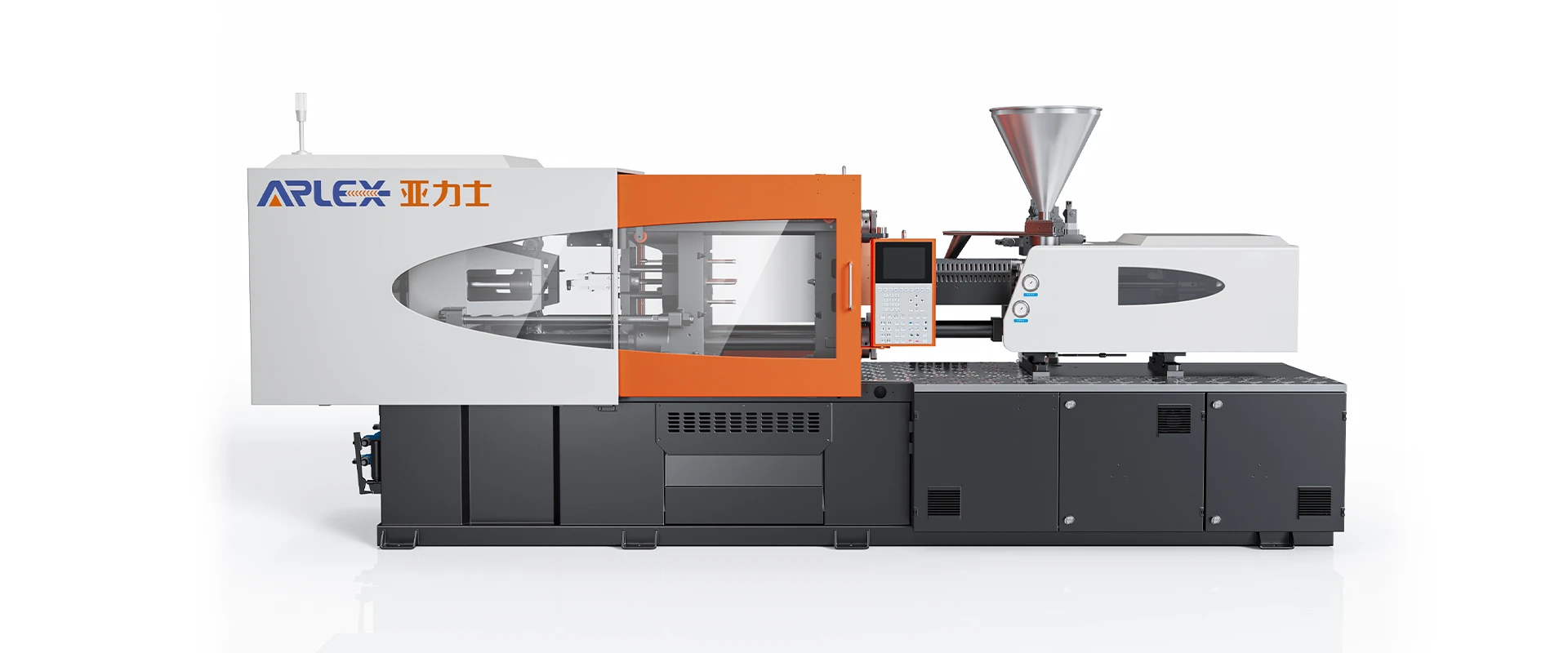
Ningbo Yalishi(Arlex) Plastic Machinery Co., Ltd. is one of the leading manufacturers and suppliers of servo energy-saving molding machine in China. Please feel free to wholesale advanced servo energy-saving molding machine made in China here from our factory.
The Servo Energy-Saving Molding Machine combines dynamic-response permanent magnet synchronous motors with high-pressure internal gear pumps to regulate hydraulic flow and system pressure throughout the injection molding cycle. By directly modulating motor speed to match exact mechanical load demands, this system prevents hydraulic oil bypass through relief valves, reducing overall power consumption while maintaining consistent volumetric accuracy and clamp force locking stability.
What Makes an Injection Molding Machine Energy Efficient?
Energy efficiency across modern hydraulic molding platforms relies on active motor shaft power regulation tailored to each operational motion:
Servo drive: Adjusts rotational shaft speed and output torque based on real-time transducer feedback in a closed-loop circuit.
Hydraulic demand: Matches displacement oil volume directly to actuator velocity, stopping excess fluid recirculation.
Pump control: Operates displacement gear pumps at variable RPM, consuming grid power only during active machine movements.
Idle operation: Lowers shaft rotation during cooling and part extraction intervals, keeping baseline power draw minimal.
Injection cycle: Delivers precise volumetric displacement without generating excessive friction thermal energy in the hydraulic reservoir.
Holding pressure: Sustains continuous cavity compaction force at reduced motor RPM without energy dissipation through relief valves.
Plasticizing: Regulates screw drive torque via proportional pressure settings to optimize resin melting energy input.
Cooling requirements: Minimizes heat generation within the hydraulic fluid, lowering external water chiller load requirements.
Servo-Driven Hydraulic System
The primary advantage of servo-driven hydraulic control lies in eliminating constant-speed motor idle friction and valve throttling losses. During high-velocity motions such as rapid clamp movement or high-speed filling, the motor accelerates to max RPM to supply required fluid volumes. When holding pressure or securing static clamping force, the shaft slows down, supplying only the minimal volumetric oil flow required to balance internal valve seal clearance leakage.
This demand-based oil delivery keeps operating fluid temperatures stable within 35°C to 45°C. Stable oil viscosity maintains tight volumetric repeatability across continuous production shifts and protects hydraulic seals, valves, and pump internals from thermal wear.
Energy Use During the Injection Cycle
Power consumption fluctuates across the molding cycle depending on dynamic pressure and flow requirements:
Clamping: High velocity, moderate pressure ramp required for toggle motion; peak motor load occurs only during high-pressure lockup.
Injection: Peak power demand stage where the motor accelerates to drive the injection screw against resin resistance.
Holding: Static compaction phase where motor shaft speed drops significantly while maintaining precise system holding pressure.
Plasticizing: Steady torque delivery rotates the screw to melt resin pellets, governed by proportional pressure control.
Mold Opening: Moderate power draw required to break mold seal and accelerate platen motion.
Ejection: Brief power pulses drive mechanical ejector pins with minimal impact on total cycle energy draw.
Injection & Plasticizing Efficiency
Technical parameters governing volumetric injection accuracy and melt homogeneity:
|
Technical Parameter |
Standard Specification |
Extended Specification |
|
Pressure Response Time |
≤ 30 ms |
≤ 20 ms |
|
Injection Pressure Repeatability |
± 0.5 bar |
± 0.2 bar |
|
Screw L/D Ratio |
20:1 / 22:1 |
24:1 |
|
Temperature Control Method |
PID Modulating |
PID Solid State Relay |
|
Volumetric Injection Precision |
± 0.1% |
± 0.05% |
Production Output & Energy Efficiency
Energy performance must be measured in kWh per kilogram (kWh/kg) of processed resin, evaluated alongside total output volume, cycle time, wall thickness, and cavity count. Fast acceleration and dynamic response shorten non-injection dry cycle times, increasing hourly part yield and lowering electrical energy input per finished unit.
Suitable Materials
The adaptive pressure and torque control capabilities support processing standard commodity and engineering resins:
PP / PE
Packaging items, housewares, automotive trim.
ABS / PS
Appliance housings, electronic enclosures, durable goods.
PC / PMMA
Optical components, transparent covers, thick-walled parts.
PA6 / PA66
Structural industrial housings, gears, mechanical brackets.
PVC / TPU
Pipe fittings, flexible seals, overmolded grips.
Suitable Applications
Automotive Parts: Clip retainers, interior trim panels, air vent frames.
Appliances: Washing machine fittings, junction boxes, switch covers.
Industrial & Plumbing: Threaded connectors, valve bodies, conduit fittings.
Rigid Packaging: Heavy-duty handles, containers, closures.
Hardware Accessories: Tool handles, structural housings, bracket mounts.
Energy Efficiency Evaluation
Accurate energy consumption modeling and comparative evaluation require the following operational production details:
Part weight: Net shot weight including runner systems.
Cycle time: Phase breakdown including injection, hold, cool, and open intervals.
Material: Specific polymer grade, melt index, and processing temperatures.
Machine size: Required clamping force and platen tie-bar dimensions.
Production hours: Operating hours per shift and total operational days per year.
Annual production: Planned annual unit output target.
Existing machine data: Current motor kW rating, pump configuration, and measured base power draw.
Using these input parameters, technical calculations establish projected energy consumption rates (kWh/kg) and expected equipment payback intervals.
Testing & Technical Support
Each machine undergoes comprehensive factory testing prior to delivery:
72-Hour Continuous Run: Extended continuous operation to verify hydraulic manifold sealing, proportional valve response, and electrical cabinet thermal stability.
Pressure Hold Verification: Extended clamping force and high-pressure injection hold monitoring to verify dynamic servo torque stability.
Sensor Calibration: Multipoint PID barrel heating alignment, linear position encoder verification, and system transducer matching.
Documentation Support: Complete factory acceptance records, electrical schematics, hydraulic schematics, and spare parts references supplied with every machine.
FAQ
Q: How does a servo hydraulic machine reduce power draw compared to conventional constant-speed pump systems?
A: Conventional constant-speed systems run the motor at full RPM continuously, passing excess oil through relief valves during holding and cooling stages. Servo systems modulate motor shaft rotation speed directly based on flow demand, drastically cutting energy consumption during static pressure holds and cooling intervals.
Q: Does lower motor shaft rotation during holding pressure compromise part dimensional stability?
A: No. Permanent magnet synchronous motors maintain precise high-torque output even at low shaft rotation speeds. This provides consistent cavity compaction pressure throughout the hold phase without pressure drops.
Q: How does the servo drive system affect hydraulic fluid service life?
A: By preventing excess oil bypass through relief valves, thermal dissipation into the fluid reservoir is minimized. Maintaining fluid temperatures in the 35°C to 45°C range reduces thermal oxidation, extends hydraulic fluid service intervals, and reduces heat exchanger cooling water demand.
Q: Can this machine series process high-viscosity engineering thermoplastics?
A: Yes. Combined with PID barrel heating zone regulation, high-torque servo drives deliver stable screw torque and precise injection velocity even when processing high-viscosity resins such as reinforced PA66 or PC.
Q: What diagnostic tools are embedded in the machine controller?
A: Control systems feature integrated real-time I/O status monitoring, thermal alarm tracking, continuous system pressure diagnostics, and operational parameter change logs to assist maintenance personnel.
Hot Tags: servo energy-saving molding machine, China servo energy-saving molding machine manufacturers, suppliers, factory
Next
No InformationYou Might Also Like


Send Inquiry