


Reinforced cast iron construction and advanced closed-loop control ensure smooth rotation, accurate positioning, stable operation, and extended mold service life.
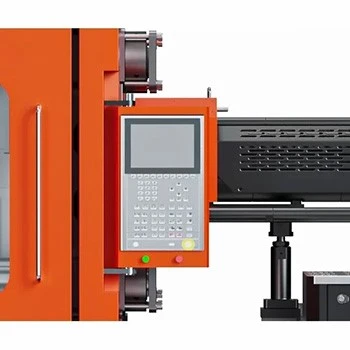
High-performance controller with synchronized communication, remote monitoring, precise positioning, and integrated system management for stable, accurate, and efficient multi-component molding.

Modular injection configurations, specialized screw technology, dual-cylinder balancing, and adaptive temperature control ensure maximum flexibility, precision, and reliable molding performance.
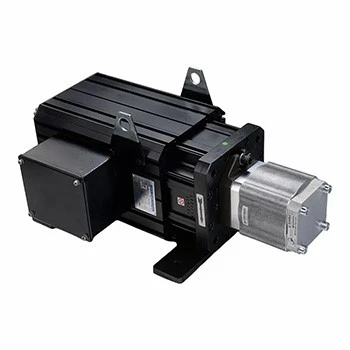
High-precision closed-loop servo control delivers accurate flow and pressure regulation, stable molding performance, and up to 80% energy savings.
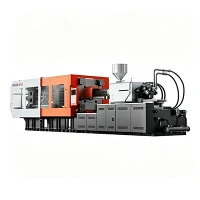
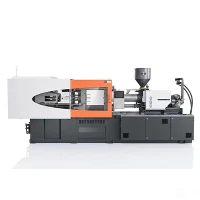
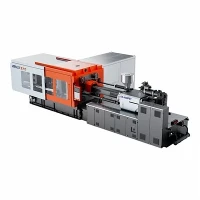
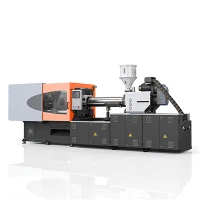

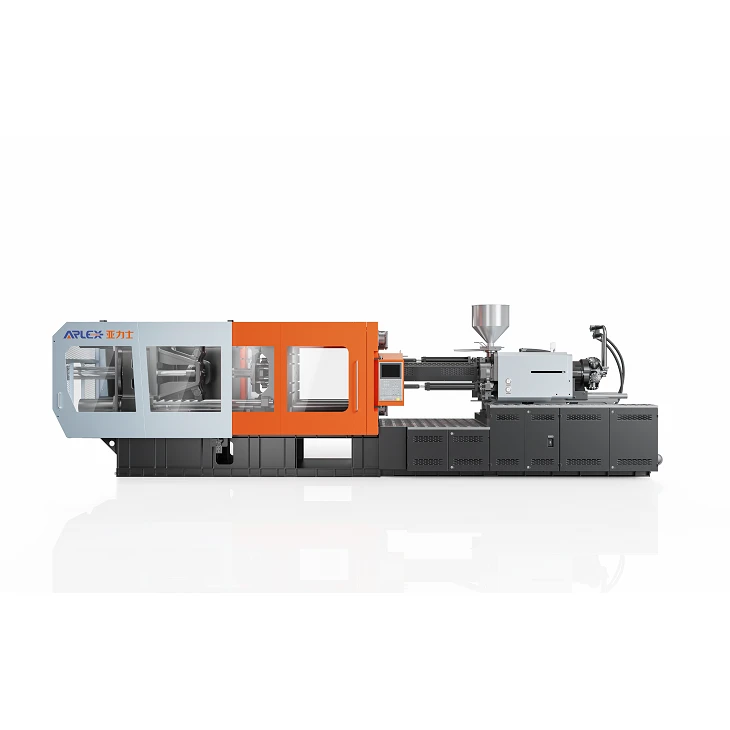
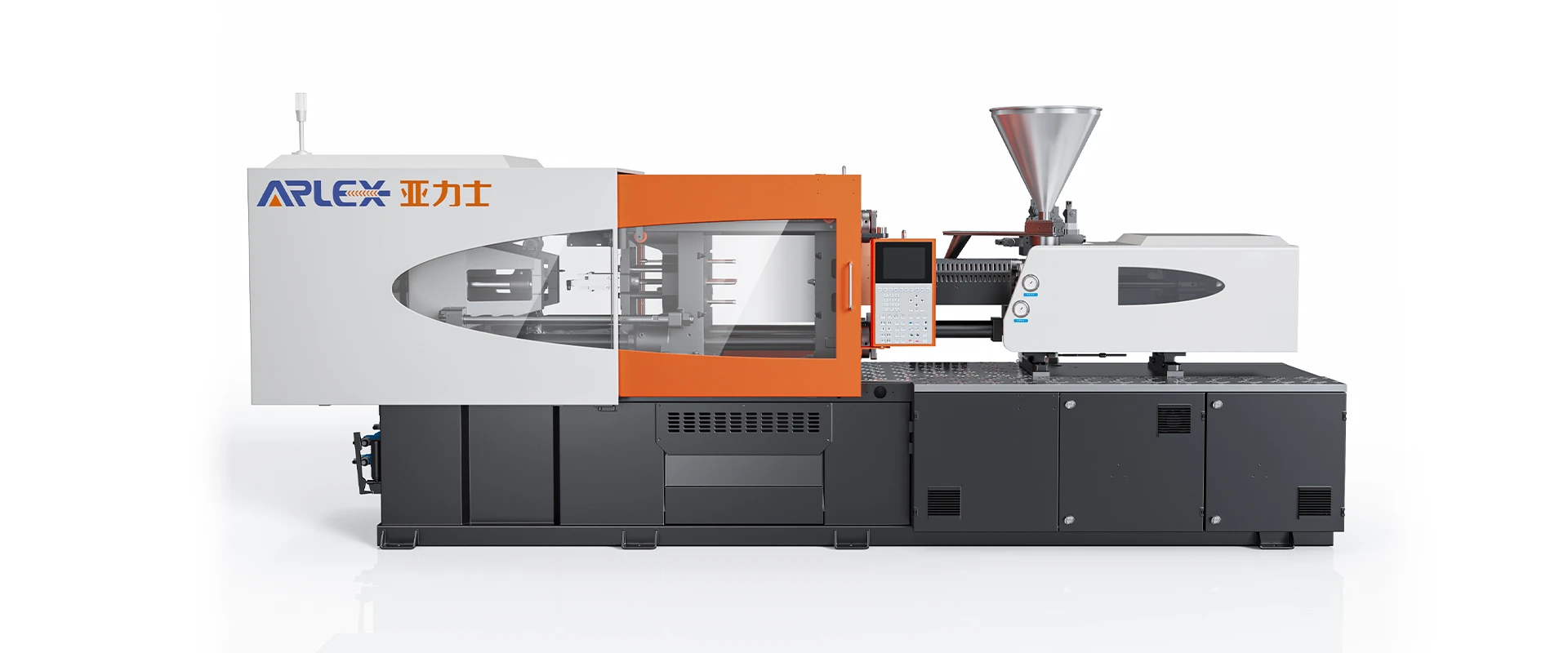
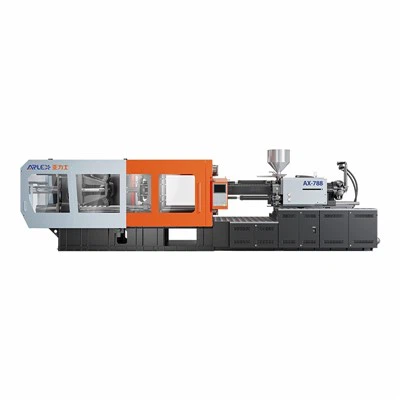
High-Efficiency Plastic Molding Machine
Ningbo Yalishi(Arlex) Plastic Machinery Co., Ltd. is one of the leading manufacturers and suppliers of high-efficiency plastic molding machine in China. Please feel free to wholesale advanced high-efficiency plastic molding machine made in China here from our factory.
The High-Efficiency Plastic Molding Machine integrates dynamic servo drive technology with precision hydraulic control to deliver exact pressure regulation and lower energy consumption across intensive processing cycles. Modern resin processing demands stable oil temperatures, strict mechanical repeatability, and precise shot weight control to ensure dimensional stability in high-volume production.
What Makes an Injection Molding Machine Energy Efficient?
Energy efficiency relies on matching power output directly to real-time machine resistance at every millisecond of the cycle. Standard fixed-displacement systems release surplus hydraulic fluid through relief valves at high pressure, generating waste heat and unnecessary power draw. High-efficiency systems optimize consumption through continuous power management:
Servo Drive: High-torque permanent magnet motors adjust rotational speed dynamically, drawing power proportional to flow and pressure demand.
Hydraulic Demand: Output volume matches active axis speed, preventing unnecessary fluid circulation during static phases.
Pump Control: Closed-loop pressure sensors provide real-time feedback to regulate torque within precise operational limits.
Idle Operation: Shaft speed drops during non-action periods, reducing standby electrical intake.
Injection Cycle: Calculated motor acceleration curves reduce fluid friction losses along valve manifolds.
Holding Pressure: Torque-control mode delivers sustained holding pressure at minimal rotational speed.
Plasticizing: High-torque hydraulic drives maintain consistent melt homogeneity while preventing thermal degradation.
Cooling Requirements: Reduced oil heating lowers cooling water demands and lightens the cooling tower load.
Servo-Driven Hydraulic System
The servo-driven hydraulic system functions as a closed-loop dynamic power regulation network. Instead of running continuous-speed induction motors, this configuration uses permanent magnet synchronous drives linked to internal gear pumps.
When actions demand high flow at low pressure, such as fast clamp movement, the drive accelerates quickly to deliver volume. During high-pressure holding phases where flow demand decreases, the drive slows down to maintain precise system pressure while consuming only the torque needed to resist backpressure. Matching oil displacement to real-time workload reduces fluid friction, slows oil degradation, and lowers maintenance overhead.
Energy Use During the Injection Cycle
Clamping: High flow brings the mold half forward rapidly, transitioning to maximum pressure at mechanical lockup.
Injection: Peak pressure and max flow fill mold cavities completely. Power demand reaches maximum capacity for controlled durations.
Holding: Sustained hydraulic pressure holds part geometry at near-zero volume flow. Motor speed decreases, reducing power draw.
Plasticizing: Continuous torque turns the screw to convey and melt polymer granules, with power draw tied to resin viscosity and shaft speed.
Mold Opening: High hydraulic force initiates mold breakaway, followed by low-pressure stroke movement.
Ejection: Low hydraulic pressure and minimal volume flow drive the mechanical ejector pins.
Injection & Plasticizing Efficiency
Plasticizing and injection performance directly affect part weight tolerance and cycle stability. High L/D ratio bimetallic screws generate uniform melt temperatures at lower backpressures.
A hydraulic response time of 30 milliseconds enables clean transitions from velocity control to pressure control. Precise switchover timing eliminates internal part stress and prevents mechanical shock loads on structural components. Closed-loop speed algorithms govern screw rotation to ensure consistent shot weights across multi-cavity tooling.
Production Output & Energy Efficiency
Evaluating overall operational efficiency requires analyzing specific energy consumption measured in kilowatt-hours per kilogram of processed material (kWh/kg).
Specific Energy Consumption = Total Power Consumed (kWh) / Total Material Processed (kg)
Cycle Time: Shorter cooling times reduce baseline idle energy per molded item.
Part Geometry: Thin-wall parts require rapid injection acceleration, while thick-wall components run extended holding cycles at lower motor speeds.
Resin Properties: Processing crystalline polymers demands different thermal and mechanical inputs than processing amorphous materials.
Mold Construction: Hot runner systems reduce required injection pressure compared to cold runner setups.
Production Volume: Continuous operational schedules maximize thermal stability across barrel heating zones.
Technical Specifications
|
Parameter |
Unit |
160T |
260T |
400T |
650T |
|
Clamping Force |
kN |
1,600 |
2,600 |
4,000 |
6,500 |
|
Tie Bar Distance (H x V) |
mm |
470 x 470 |
580 x 580 |
730 x 730 |
920 x 920 |
|
Mold Opening Stroke |
mm |
420 |
530 |
680 |
880 |
|
Max / Min Mold Height |
mm |
500 / 180 |
600 / 220 |
750 / 300 |
950 / 380 |
|
Screw Diameter |
mm |
45 |
55 |
70 |
90 |
|
Theoretical Shot Volume |
cm³ |
334 |
593 |
1,231 |
2,608 |
|
Shot Weight (PS) |
g |
304 |
540 |
1,120 |
2,373 |
|
Max Injection Pressure |
bar |
1,850 |
1,780 |
1,650 |
1,580 |
|
System Pump Pressure |
bar |
160 |
160 |
160 |
160 |
|
Servo Motor Power |
kW |
18.5 |
28.5 |
45 |
62 |
|
Heating Power |
kW |
10.5 |
14.2 |
22.5 |
34 |
Suitable Materials
Polypropylene (PP): Standard processing material for crates, housewares, and structural packaging.
High-Density Polyethylene (HDPE): Fluid containers, heavy caps, closures, and industrial fittings.
Acrylonitrile Butadiene Styrene (ABS): Rigid housings, interior components, and equipment covers.
Polystyrene (GPPS/HIPS): Clear packaging containers and rigid consumer products.
Polyamide (PA6 / PA66): Structural engineering components requiring mechanical strength and temperature resistance.
Polycarbonate (PC): High-impact covers, optical components, and clear protective shields.
Suitable Applications
Rigid Packaging
Thin-wall food containers, closures, storage buckets, and handling crates.
Automotive Components
Interior door sub-assemblies, trim brackets, covers, and ventilation housings.
Consumer Goods
Modular storage containers, furniture fittings, and domestic appliance components.
Electrical Goods
Junction boxes, wall plates, terminal blocks, and switch gear enclosures.
Industrial Fittings
Pipe connectors, structural clips, cable organizers, and transport trays.
Recommended Machine Models
|
Clamping Tonnage |
Core Application Target |
Mold Configuration |
|
160T – 220T |
Precision components, caps, electrical housings |
Multi-cavity tooling up to 400x400 mm |
|
260T – 360T |
Medium industrial containers, trim panels |
Single or multi-cavity deep-draw molds |
|
400T – 500T |
Storage crates, large automotive trim |
High-rigidity platens with core-pull systems |
|
650T – 800T |
Heavy transport packaging, large housing panels |
Multi-cylinder core pulls and large platens |
Energy Efficiency Evaluation
Selecting machine capacity requires matching technical variables rather than relying solely on nominal motor sizes. Technical evaluation determines projected energy usage for specific molding applications.
To run a comparative energy evaluation, collect the following operational data:
Component Weight: Net shot mass including runner system (g).
Target Cycle Time: Total cycle duration (s).
Resin Specification: Polymer melt flow index and material family.
Mold Dimensions: Platen footprint, height, and core-pull layout.
Annual Operating Schedule: Planned operational hours per year.
Existing Equipment Data: Motor rating (kW) and recorded kWh/kg metrics from current machinery.
Testing & Technical Support
Every machine undergoes complete factory testing prior to shipment. Standard inspection protocols verify mechanical alignment, hydraulic tightness, electrical control function, and shot consistency.
Hydraulic Pressure Audit: 24-hour continuous run testing under operating pressure to confirm seal integrity and thermal balance.
Platen Parallelism Check: Laser verification of platen alignment under full mechanical clamping load.
Shot Weight Verification: Multi-shot weight measurements using test molds to verify variance within ±0.2%.
Dry Cycle Speed Testing: Verification of dry cycle speed and smooth toggle deceleration profiles.
Documentation: Delivery includes full hydraulic schematics, electrical wiring diagrams, operating manuals, and spare parts references.
Commissioning Support: On-site technician support covers leveling, hydraulic commissioning, parameter calibration, and operator training.
FAQ
Q: How does a servo-hydraulic system differ from a traditional variable displacement system?
A: Servo-hydraulic systems adjust motor rotational speed directly to match system pressure and volume demands. Variable displacement systems run AC motors at constant speeds and adjust pump swashplate angles to regulate flow. Servo operation increases dynamic response, reduces oil heating, and lowers power draw during static cycle phases.
Q: What maintenance is required for the servo hydraulic pump assembly?
A: Maintenance involves checking hydraulic oil cleanliness to ISO 4406 standards every 2,000 operating hours, changing filter elements annually, and keeping operating oil temperatures between 35°C and 45°C. The servo motor operates at reduced thermal stress and requires no brush replacements.
Q: Can this machine process high-temperature resins such as PA66 or PC?
A: Yes. Machines can be equipped with ceramic heater bands, bimetallic barrels, and screws tailored to specific polymer melt characteristics. Closed-loop PID temperature controllers regulate heat across all heating zones.
Q: How is clamp tonnage calculated for a new mold?
A: Clamp force is determined by multiplying the projected surface area of the molded component (including runners) by the required cavity pressure of the resin. Wall thickness, flow path length, and gate placement all influence total required clamping force.
Q: What power infrastructure is necessary for plant installation?
A: Installation requires a standard 3-phase industrial power feed (380V, 415V, or 460V at 50Hz or 60Hz). The supply line must handle the combined load of the main servo drive and maximum barrel heating capacity. Full layout and electrical drawings are provided prior to delivery.
Hot Tags: high-efficiency plastic molding machine, China high-efficiency plastic molding machine manufacturers, suppliers, factory
You Might Also Like


Send Inquiry