


Reinforced cast iron construction and advanced closed-loop control ensure smooth rotation, accurate positioning, stable operation, and extended mold service life.
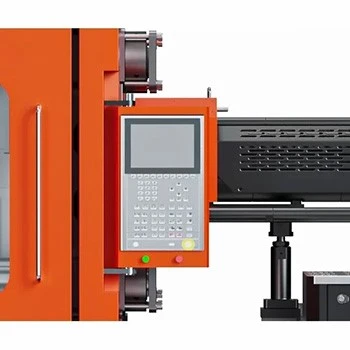
High-performance controller with synchronized communication, remote monitoring, precise positioning, and integrated system management for stable, accurate, and efficient multi-component molding.

Modular injection configurations, specialized screw technology, dual-cylinder balancing, and adaptive temperature control ensure maximum flexibility, precision, and reliable molding performance.
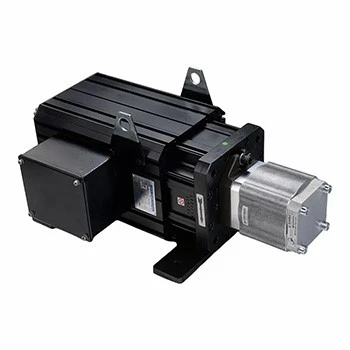
High-precision closed-loop servo control delivers accurate flow and pressure regulation, stable molding performance, and up to 80% energy savings.
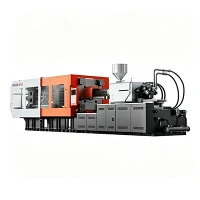
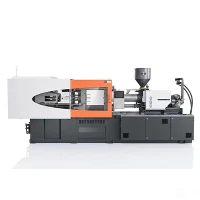
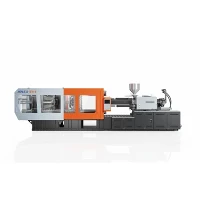
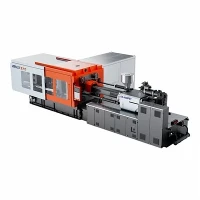

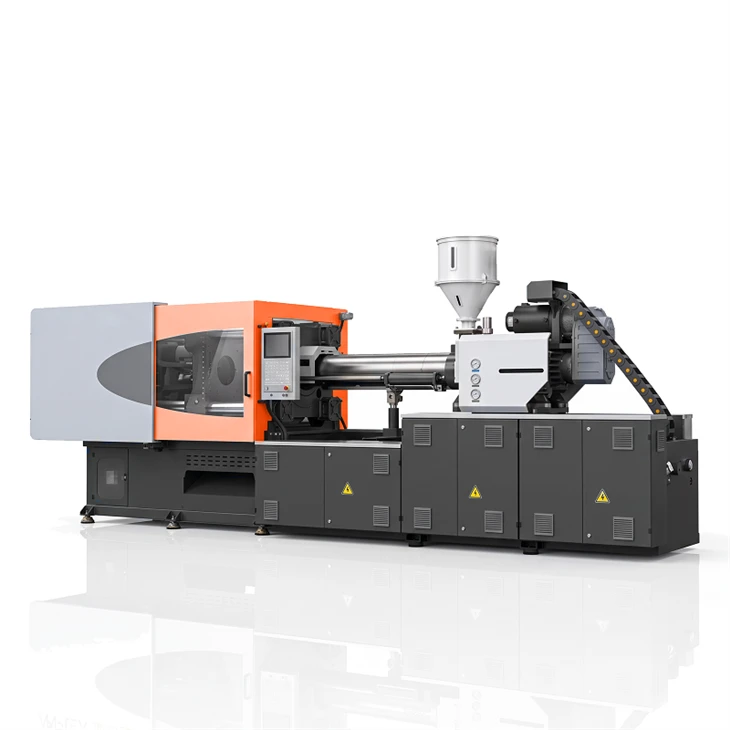
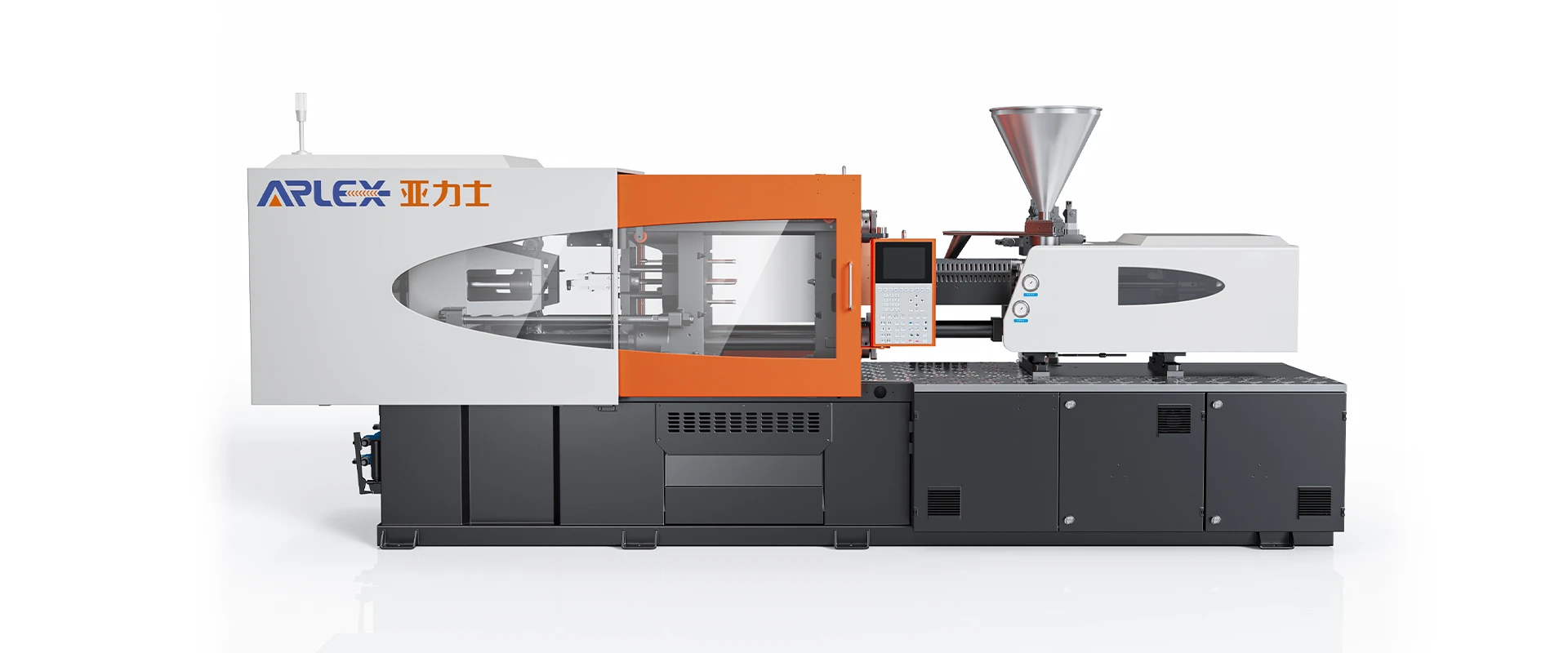
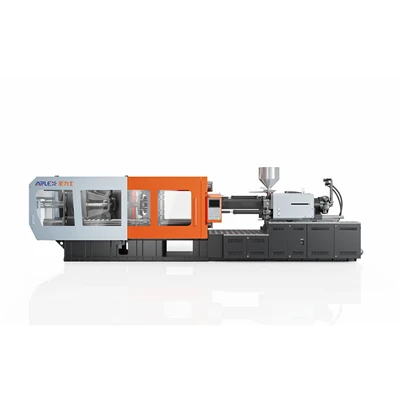
High-Repeatability Molding Machine
Ningbo Yalishi(Arlex) Plastic Machinery Co., Ltd. is one of the leading manufacturers and suppliers of high-repeatability molding machine in China. Please feel free to wholesale advanced high-repeatability molding machine made in China here from our factory.
The High-Repeatability Molding Machine regulates melt dosage and injection dynamics through real-time closed-loop sensing to prevent shot-to-shot weight variation in micro-tolerance plastic molding. Built on high-rigidity platen structures and fast-response servo-hydraulics, this unit maintains tight mechanical alignment under continuous production loads, preventing flash, mold distortion, and thermal degradation across multi-cavity tooling.
What Determines Injection Molding Precision?
Achieving low shot-to-shot weight variance requires tight integration between mechanical structural rigidity, hydraulic valve responsiveness, and thermal stability across every phase of the cycle:
Injection speed: Smooth linear acceleration profiles prevent melt pressure spikes inside complex cavity runner systems.
Injection pressure: Fast-acting proportional valves maintain steady filling pressure to prevent melt stagnation during high-speed cavity entry.
Position control: Optical encoders measure screw displacement to position the injection piston precisely at the pre-set cushion threshold.
Temperature control: Multi-zone PID loops manage barrel heater bands to maintain uniform melt viscosity prior to stroke initialization.
Plasticizing stability: Optimized screw geometry eliminates density variations and localized air entrapment during screw recovery.
Back pressure: Proportional hydraulic control maintains precise melt compaction inside the barrel before injection starts.
Repeatability: Statistical consistency in cycle time, injection pressure peak, and final part dimensions over continuous multi-shift production.
Injection Control System
Closed-loop control: Pressure transducers and linear sensors feed real-time signals back to the main controller, adjusting hydraulic flow every millisecond.
Pressure control: Multi-phase hold pressure management eliminates internal volumetric shrinkage, sink marks, and residual stress.
Speed control: Multi-stage injection velocity profiling allows controlled gate passage, rapid cavity filling, and precise deceleration near the switchover point.
Position control: Screw position monitoring triggers the transition from velocity control to pressure control within precise distance limits.
Multi-stage injection: Up to 10 distinct speed and pressure steps accommodate varying flow-length-to-wall-thickness ratios in complex parts.
Plasticizing & Melt Preparation
Screw rotation: Direct servo motor drives deliver stable rotational torque during recovery, preventing localized shear heating.
Plasticizing: High length-to-diameter screw ratios ensure uniform color dispersion and complete polymer homogenization.
Back pressure: Digital proportional valves adjust resistance during recovery to maintain consistent melt density across every cycle.
Melt temperature: Multi-zone heating circuits maintain uniform temperature profiles along the barrel to prevent resin degradation.
Material preparation: Ceramic heater bands backed by protective insulation covers reduce ambient thermal loss and stabilize heating zones.
Clamping System
High-rigidity tie-bar layouts distribute clamping tonnage evenly across platen faces, preventing center deflection under full hydraulic load. Twin-toggle mechanical linkages provide smooth fast-closing movement, low-pressure mold protection, and rapid pressure buildup at final clamp-up.
Repeatability & Process Stability
Maintaining consistent part weight and dimensions over continuous production cycles requires precise control across all key process parameters:
|
Performance Indicator |
Standard Tolerance |
Precision Target |
|
Shot Weight Repeatability |
+/- 0.50% |
+/- 0.08% |
|
Screw Position Accuracy |
+/- 0.10 mm |
+/- 0.01 mm |
|
V/P Switchover Accuracy |
+/- 0.20 mm |
+/- 0.02 mm |
|
Melt Temperature Variation |
+/- 2.0 deg C |
+/- 0.5 deg C |
|
Platen Parallelism under Tonnage |
<= 0.15 mm |
<= 0.05 mm |
|
Hydraulic Response Speed |
60 ms |
18 ms |
Suitable Materials
|
Engineered Polymers |
PEEK, PPS, LCP, PA66, PA6 filled with up to 50% glass fiber reinforcement. |
|
Transparent Resins |
Optical PMMA, PC, Cyclic Olefin Copolymers. |
|
Standard Engineering Plastics |
POM, PBT, ABS, SAN. |
|
Medical Polymers |
Medical-grade PP, HDPE, Thermoplastic Polyurethane. |
Suitable Applications
Precision industrial parts: Micro gears, printer drive components, fluid control valves, bearing cages.
Electrical components: Terminal blocks, multi-pin connectors, relay cases, switch housings.
Optical components: LED lenses, camera lens housings, light guide plates, optical sensor covers.
Medical components: Syringe barrels, luer lock fittings, fluid manifolds, diagnostic cassette housings.
Automotive precision parts: Fuel injection components, sensor housings, ECU connectors, braking system covers.
Technical Configuration
|
Parameter |
Unit |
Model 120 |
Model 180 |
Model 260 |
Model 360 |
|
Clamping Force |
kN |
1200 |
1800 |
2600 |
3600 |
|
Tie Bar Distance |
mm |
410 x 410 |
510 x 510 |
610 x 610 |
710 x 710 |
|
Platen Size |
mm |
620 x 620 |
750 x 750 |
880 x 880 |
1020 x 1020 |
|
Max Mold Height |
mm |
450 |
520 |
620 |
720 |
|
Min Mold Height |
mm |
150 |
180 |
200 |
250 |
|
Ejector Stroke |
mm |
100 |
130 |
150 |
180 |
|
Screw Diameter |
mm |
32 |
40 |
50 |
60 |
|
Theoretical Shot Volume |
cm3 |
128 |
251 |
490 |
848 |
|
Shot Weight |
g |
116 |
228 |
446 |
771 |
|
Injection Pressure |
bar |
2350 |
2100 |
2050 |
1950 |
|
Injection Speed |
cm3/s |
185 |
265 |
380 |
510 |
|
Max Screw Speed |
rpm |
320 |
290 |
260 |
220 |
|
Pump Motor Power |
kW |
15 |
22 |
30 |
37 |
Testing & Quality Control
Process Capability Testing: Every unit undergoes a 100-shot continuous mold sampling sequence to confirm statistical weight consistency before dispatch.
Laser Parallelism Verification: Platen parallelism and tie-bar tension balance are measured via laser alignment systems under full clamping load.
Thermal Imaging Inspection: Infrared thermal analysis verifies heat distribution across all barrel heating zones and hydraulic oil manifolds.
Hydraulic Pressure Response Logging: High-frequency sensors record valve activation times during the injection-to-hold transition to verify millisecond response thresholds.
Full-Load Endurance Run: A continuous 48-hour operational dry run tests cycle consistency, hydraulic seal integrity, and motor thermal limits.
FAQ
Q: What statistical process capability rating does this machine achieve for shot weight consistency?
A: The system maintains a process capability index of 1.67 or higher during standard testing, keeping total shot weight deviation within +/- 0.08%.
Q: How does the V/P switchover system operate during high-speed injection?
A: The control system transitions from velocity control to pressure control based on precise screw position data captured by optical encoders, or via direct cavity pressure sensor signals.
Q: Can this unit process high-temperature resins such as PEEK or LCP?
A: High-temperature ceramic heating bands, insulated barrel assemblies, and wear-resistant screw options enable stable processing at melt temperatures up to 420 degrees Celsius.
Q: How is platen deflection minimized under maximum clamping force?
A: Heavy-duty box platens configured via finite element analysis keep deflection low under full hydraulic load, maintaining platen parallelism within 0.05 mm across the mold surface.
Q: What injection speed capability is available for thin-wall molding applications?
A: Standard models provide injection speeds up to 250 mm/s. Optional hydraulic accumulator drives can increase injection velocity beyond 500 mm/s for high-aspect-ratio thin-wall parts.
Q: How does the servo-hydraulic system maintain low energy consumption?
A: The servo-variable pump adjusts motor speed and torque directly to current hydraulic fluid demand, reducing total power consumption while maintaining consistent oil temperature stability.
Hot Tags: high-repeatability molding machine, China high-repeatability molding machine manufacturers, suppliers, factory
Next
No InformationYou Might Also Like


Send Inquiry