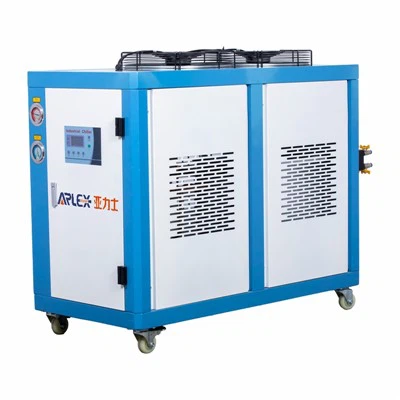
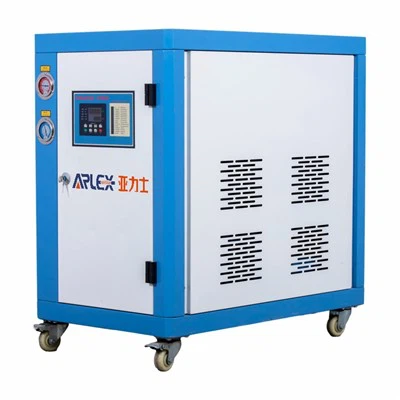
As a supplier of Screw Chillers, I've witnessed firsthand the remarkable evolution of this technology over the years. Screw chillers have become an integral part of various industries, from manufacturing to data centers, providing efficient cooling solutions. In this blog, I'll delve into the future development trends of screw chillers, exploring the factors that will shape their design, performance, and market demand.
Energy Efficiency and Sustainability
One of the most significant trends in the future of screw chillers is the continued focus on energy efficiency and sustainability. With the increasing global concern for environmental protection and the rising cost of energy, customers are demanding more energy-efficient cooling solutions. Screw chillers are no exception, and manufacturers are investing heavily in research and development to improve their energy performance.
Advancements in compressor technology, such as variable speed drives and improved compressor designs, are enabling screw chillers to operate more efficiently at part-load conditions. This is particularly important as most cooling systems operate at part-load for a significant portion of their runtime. By reducing energy consumption at part-load, screw chillers can help customers save on energy costs and reduce their carbon footprint.
In addition to energy efficiency, sustainability is also a key consideration in the design of screw chillers. Manufacturers are increasingly using environmentally friendly refrigerants, such as R-32 and R-1234ze, which have a lower global warming potential (GWP) compared to traditional refrigerants. These refrigerants not only help to reduce the environmental impact of screw chillers but also comply with international regulations on refrigerant usage.
Smart and Connected Technology
The future of screw chillers is also likely to be characterized by the integration of smart and connected technology. With the advent of the Internet of Things (IoT), screw chillers can now be equipped with sensors and connectivity features that allow them to communicate with other devices and systems. This enables real-time monitoring, remote control, and predictive maintenance, improving the efficiency and reliability of the cooling system.
Smart screw chillers can collect data on various parameters, such as temperature, pressure, and energy consumption, and use this data to optimize their performance. For example, they can adjust the compressor speed based on the cooling demand, reducing energy consumption and improving efficiency. They can also detect potential issues before they become major problems, allowing for proactive maintenance and minimizing downtime.
Connected technology also enables screw chillers to be integrated with building management systems (BMS), allowing for centralized control and monitoring of the cooling system. This can help building owners and operators to optimize the energy consumption of their buildings and improve the comfort of their occupants.
Modular and Compact Design
Another trend in the future of screw chillers is the development of modular and compact designs. As space becomes increasingly limited in many industrial and commercial applications, there is a growing demand for screw chillers that can be easily installed and integrated into existing systems. Modular designs allow for easy customization and expansion, while compact designs help to save space and reduce installation costs.
Modular screw chillers are typically designed with standardized components that can be easily assembled and disassembled. This makes them ideal for applications where flexibility and scalability are important, such as data centers and manufacturing facilities. Compact screw chillers, on the other hand, are designed to take up less space while still providing high cooling capacity. They are often used in applications where space is limited, such as small offices and retail stores.
Application-Specific Solutions
As the demand for screw chillers continues to grow, manufacturers are increasingly focusing on developing application-specific solutions. Different industries have different cooling requirements, and screw chillers need to be designed to meet these specific needs. For example, the cooling requirements of a data center are very different from those of a food processing plant.
Manufacturers are working closely with customers to understand their specific cooling requirements and develop customized solutions. This may involve designing screw chillers with specific features, such as high-temperature operation, low-noise operation, or corrosion resistance. By providing application-specific solutions, manufacturers can help customers to achieve optimal cooling performance and energy efficiency.
Market Outlook
The market for screw chillers is expected to continue to grow in the coming years, driven by factors such as increasing demand for cooling in various industries, the need for energy-efficient solutions, and the development of new technologies. According to a report by MarketsandMarkets, the global screw chiller market is expected to reach $XX billion by 2025, growing at a CAGR of XX% from 2020 to 2025.


The Asia-Pacific region is expected to be the fastest-growing market for screw chillers, driven by the rapid industrialization and urbanization in countries such as China and India. The North American and European markets are also expected to grow steadily, as customers in these regions continue to demand energy-efficient and sustainable cooling solutions.
Conclusion
The future of screw chillers is bright, with significant opportunities for innovation and growth. Energy efficiency, sustainability, smart and connected technology, modular and compact design, and application-specific solutions are all likely to be key trends in the development of screw chillers in the coming years. As a supplier of Screw Chillers, we are committed to staying at the forefront of these trends and providing our customers with the most advanced and efficient cooling solutions.
If you are interested in learning more about our Screw Chillers or would like to discuss your specific cooling requirements, please feel free to [contact us]. We would be happy to help you find the right solution for your needs.
References
- MarketsandMarkets. "Screw Chiller Market by Type (Air-Cooled, Water-Cooled), Compressor Type (Single Screw, Twin Screw), Application (Commercial, Industrial), and Region - Global Forecast to 2025." [Report Name], [Publication Date].
- [Other relevant industry reports or studies]