

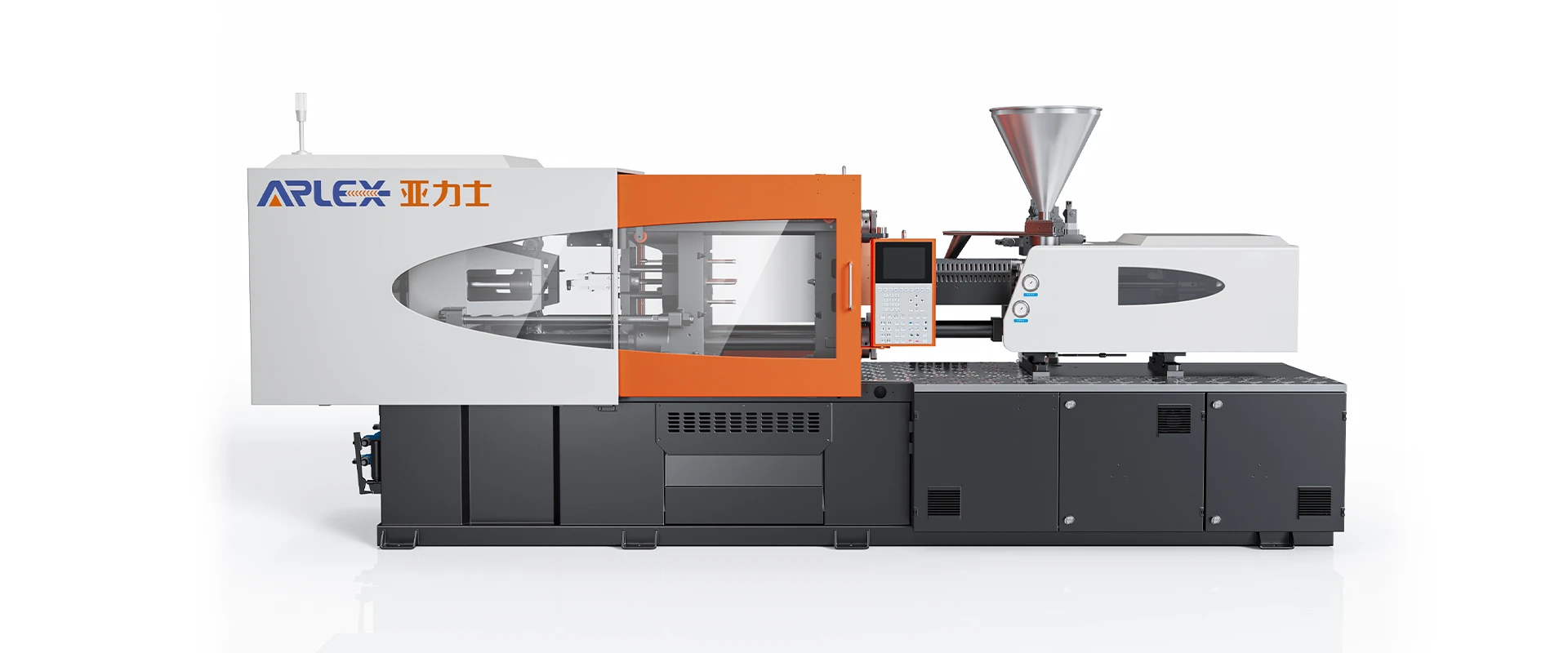

Reinforced cast iron construction and advanced closed-loop control ensure smooth rotation, accurate positioning, stable operation, and extended mold service life.
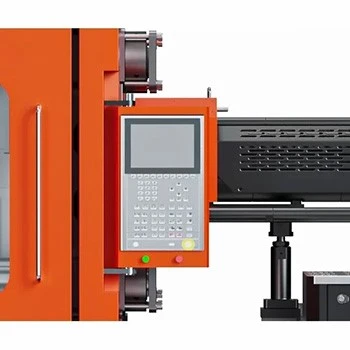
High-performance controller with synchronized communication, remote monitoring, precise positioning, and integrated system management for stable, accurate, and efficient multi-component molding.

Modular injection configurations, specialized screw technology, dual-cylinder balancing, and adaptive temperature control ensure maximum flexibility, precision, and reliable molding performance.
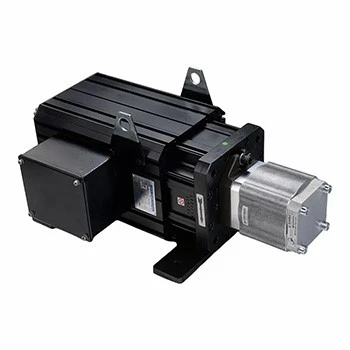
High-precision closed-loop servo control delivers accurate flow and pressure regulation, stable molding performance, and up to 80% energy savings.
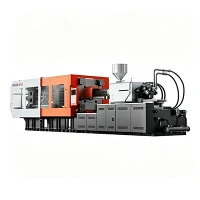
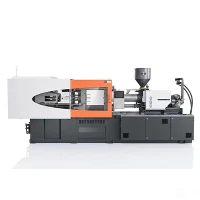
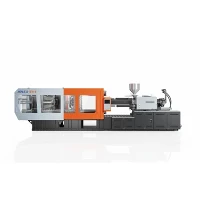
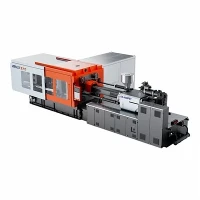
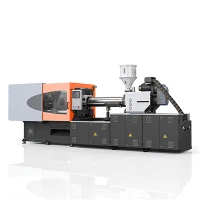


Energy-Efficient Engineering Plastic Molding Machine
Ningbo Yalishi(Arlex) Plastic Machinery Co., Ltd. is one of the leading manufacturers and suppliers of energy-efficient engineering plastic molding machine in China. Please feel free to wholesale advanced energy-efficient engineering plastic molding machine made in China here from our factory.
The Energy-Efficient Engineering Plastic Molding Machine combines multi-zone thermal control, dedicated bimetallic plasticizing units, and variable-frequency servo hydraulics designed for processing high-viscosity resins-including PA66, PC, PBT, and POM-with optimized energy consumption per kilogram of molded material.
What Makes an Injection Molding Machine Energy Efficient?
Energy efficiency depends on matching electrical power input directly to dynamic mechanical loads during each cycle phase:
Servo Drive: Adjusts motor rotational speed based on real-time pressure and flow demand, reducing idle power draw during passive cycle phases.
Hydraulic Demand: Supplies precise fluid displacement matched to cylinder movement requirements without dumping excess flow through pressure relief valves.
Pump Control: Regulates oil volume via closed-loop encoder position feedback.
Idle Operation: Reduces motor rotation during cooling and mold pause intervals, maintaining baseline electrical draw.
Injection Cycle: Delivers rapid torque response under high mechanical resistance during melt acceleration.
Holding Pressure: Delivers required system pressure at low motor RPM without generating unnecessary fluid friction.
Plasticizing: Combines high-density heaters and specific screw geometries to optimize shear heat transfer into resin pellets.
Cooling Requirements: Limits hydraulic oil temperature rise, reducing heat exchanger cooling loads.
Servo-Driven Hydraulic System
The servo-driven hydraulic system modulates pump displacement to match circuit pressure and flow requirements. During pressure-holding and cooling intervals, the servo motor decelerates to maintain line pressure without continuously circulating fluid at full volume. This operational mode reduces thermal energy buildup in the hydraulic oil, maintains oil viscosity within designated limits, and lowers total energy consumption during continuous manufacturing runs.
Energy Use During the Injection Cycle
Clamping: High volume flow at low pressure for rapid toggle movement, transitioning to elevated pressure during lock-up.
Injection: High electrical power delivery driving linear screw movement against resin viscosity inside the mold cavity.
Holding: Sustained pressure delivery at low motor rotation to compensate for volumetric material shrinkage during initial cooling.
Plasticizing: Controlled motor torque driving screw rotation to convert polymer pellets into uniform melt under back pressure.
Mold Opening: Controlled system decompression followed by rapid kinetic stroke displacement.
Ejection: Short-duration hydraulic thrust matched to part ejection force requirements.
Injection & Plasticizing Efficiency
Processing technical polymers requires stable thermal profiles to prevent polymer thermal degradation while maintaining consistent melt viscosity. This equipment utilizes bimetallic barrels and screws with flight geometries designed for shear-sensitive materials. Multi-zone PID controllers regulate barrel temperatures, while high-torque servo drives maintain screw rotation speeds under high back-pressure conditions.
Production Output & Energy Efficiency
Energy performance must be evaluated alongside cycle time, component weight, resin grade, mold cavity layout, and dimensional tolerance standards. Reducing electrical power draw while increasing cycle time or part defect rates does not improve overall manufacturing cost per unit. Efficiency is measured as Specific Energy Consumption (kilowatt-hours per kilogram of acceptable molded parts) under continuous operating parameters.
Suitable Materials
|
Resin Type |
Material Characteristics |
Processing Requirements |
|
PA6 / PA66 |
High melt viscosity, hygroscopic behavior |
Multi-zone temperature regulation, wear-resistant barrel components |
|
PC |
High viscosity, thermal stress sensitivity |
Sustained holding pressure capability, linear injection speed control |
|
PBT / PET |
Rapid crystallization kinetics |
Precise dosing control, melt temperature uniformity |
|
POM |
Narrow thermal processing window |
Controlled shear heating, anti-degradation flow geometry |
|
PPS / PEEK |
Elevated melting temperatures |
High-wattage ceramic heating zones, wear-resistant barrel units |
Suitable Applications
Electrical connectors, under-hood sensor housings, fluid reservoirs, and internal valve bodies.
Precision switch housings, terminal blocks, circuit breaker frames, and structural coil bobbins.
High-strength gears, pump impellers, valve bodies, and structural fasteners.
Device housings, internal diagnostic components, and fluid distribution manifolds.
Recommended Machine Models
|
Specification |
Model A-200E |
Model A-320E |
Model A-480E |
|
Clamping Force (kN) |
2,000 |
3,200 |
4,800 |
|
Tie Bar Clearance (mm) |
520 x 520 |
660 x 660 |
810 x 810 |
|
Screw Diameter (mm) |
45 |
60 |
75 |
|
Max. Injection Pressure (bar) |
2,200 |
2,050 |
1,950 |
|
Theoretical Shot Volume (cm³) |
380 |
850 |
1,650 |
|
Shot Weight (PS) (g) |
345 |
773 |
1,500 |
|
Screw L/D Ratio |
22:1 |
22:1 |
23:1 |
|
Servo Pump Motor Power (kW) |
22.5 |
37.0 |
55.0 |
|
Heater Capacity (kW) |
12.5 |
18.0 |
28.5 |
Energy Efficiency Evaluation
An accurate evaluation compares Specific Energy Consumption against baseline machinery operating under identical production conditions. To perform a comparative energy calculation, provide the following operational data:
- Part Weight: Net part mass and runner system weight.
- Cycle Time: Current dry cycle duration and total cycle duration.
- Material Grade: Polymer classification, filler percentage (such as glass fiber content), and processing temperature limits.
- Machine Size: Required clamping force and screw diameter of existing machinery.
- Production Schedule: Operating shifts per day and total operating days per year.
- Annual Output Target: Planned component volume per year.
- Existing Machine Data: Active power draw readings (kW) or electrical meter data during continuous production runs.
Engineering analysis utilizes these input parameters to project energy consumption changes, potential cycle time adjustments, and calculated equipment payback schedules.
Testing & Technical Support
Performance metrics are documented prior to equipment shipment through standardized factory acceptance procedures:
Mold Trial Verification: Factory trials performed using client mold bases or standardized testing molds.
Data Logging: Real-time recording of hydraulic pressure profiles, injection velocity profiles, and power meter readings.
Melt Quality Analysis: Inspection of melt temperature uniformity and shot-to-shot weight consistency.
Commissioning Support: Technical installation guidelines, initial parameter setup, and maintenance team operator training.
FAQ
Q: How is Specific Energy Consumption calculated for engineering polymers?
A: Specific Energy Consumption is calculated as kilowatt-hours consumed per kilogram of processed material (kWh/kg). This calculation accounts for total electrical power consumed by main motors, barrel heaters, and control systems relative to total acceptable molded part weight output.
Q: How does a servo hydraulic system operate during high pressure injection phases?
A: The servo drive responds within milliseconds to hydraulic line pressure transducers. When high pressure is required during injection or holding phases, the servo motor increases torque output to meet line pressure setpoints, reducing rotational speed when target pressure is reached.
Q: Can this equipment process glass-fiber-reinforced materials?
A: Yes. Machines built for engineering resins utilize bimetallic barrels and surface-hardened screws designed to withstand abrasive wear from glass fibers, maintaining designated barrel clearances and dosing accuracy.
Q: What routine maintenance is required for the servo hydraulic drive system?
A: Standard maintenance includes checking hydraulic oil filter condition indicators, inspecting heat exchanger performance, verifying encoder cable connections, and checking pump shaft seal integrity. Lower operating oil temperatures help extend oil service intervals compared to fixed-displacement pump systems.
Q: How do barrel heating zones affect machine power consumption?
A: Barrel heating represents a portion of energy draw when processing high-temperature resins. High-density ceramic heating bands and thermal insulation jackets reduce thermal energy losses into surrounding air, maintaining barrel setpoint temperatures and reducing electrical heater cycling.
Hot Tags: energy-efficient engineering plastic molding machine, China energy-efficient engineering plastic molding machine manufacturers, suppliers, factory
You Might Also Like



Send Inquiry